

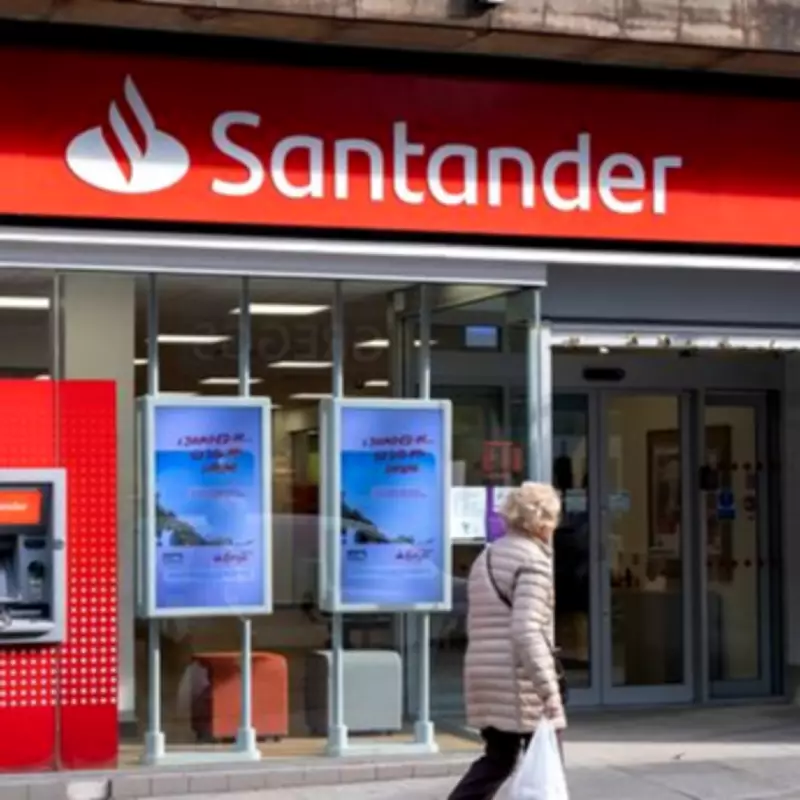
In a significant development for the UK's high street banking landscape, Santander has announced plans to close 44 of its branches across the country. This strategic move, part of a wider shake-up of its physical store network, places approximately 291 jobs at risk of redundancy.
Major Restructuring of Santander's Branch Network
The banking giant confirmed the closures this morning, citing changing customer behaviour and increased digital banking adoption as key drivers behind the decision. This represents one of the most substantial branch reduction programmes announced by a major UK bank in recent months.
Full List of Affected Branches
The branches scheduled for closure span numerous towns and cities across the United Kingdom, affecting communities from Scotland to southern England. The complete list includes:

- Andover
- Banbridge
- Bangor
- Berwick Upon Tweed
- Bishop Auckland
- Boston
- Bridgend
- Bridgwater
- Cwmbran
- Enniskillen
- Evesham
- Glengormley
- Golders Green
- Gosport
- Haverfordwest
- Heswall
- Huntingdon
- Kirkintilloch
- Leighton Buzzard
- Leyland
- Liskeard
- Macclesfield
- Mansfield
- Melton Mowbray
- Merthyr Tydfil
- Mold
- Newbury
- Newton Abbot
- Northallerton
- Ormskirk
- Pontefract
- Ramsgate
- Redditch
- Ringwood
- Scunthorpe
- Shirley
- Stafford
- Stranraer
- Stratford Upon Avon
- Tonbridge
- Welwyn Garden City
- Whitehaven
- Wilmslow
- Woking
Impact on Local Communities and Employment
The closure programme raises significant concerns about access to banking services in affected areas, particularly for elderly customers and small businesses that rely on face-to-face banking. The potential loss of 291 positions represents a substantial employment impact across multiple regions, with staff now entering consultation periods regarding their futures.
This announcement follows a broader trend in the UK banking sector, where traditional high street branches have been steadily declining as digital banking services expand. Santander's decision reflects the ongoing transformation of retail banking, balancing physical presence with evolving customer preferences for online and mobile banking solutions.
The bank has indicated that affected customers will be directed to alternative branches, postal banking services, and digital platforms. However, community representatives have expressed concerns about the potential banking deserts that could emerge in some locations, particularly where Santander branches represent the last remaining banking facilities in town centres.






