

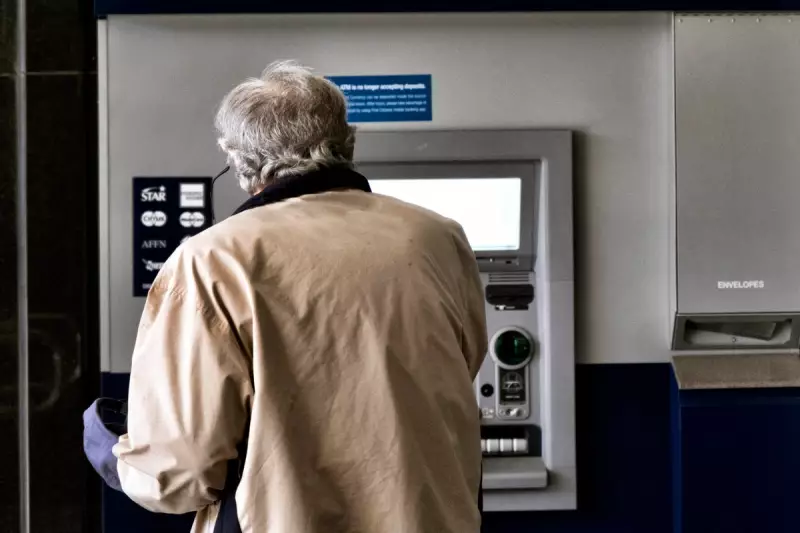
In a significant move to reshape its retail operations, TD Bank has revealed plans to close 51 branches across 13 states, primarily targeting the East Coast region. This decision forms part of a broader strategy to reduce the bank's physical retail footprint by 10%, as it shifts focus towards enhancing digital and mobile banking capabilities.
States Affected by the Branch Closures
The closures will impact a wide range of states, including Connecticut, Florida, Massachusetts, Maryland, Maine, Washington D.C., North Carolina, New Hampshire, New Jersey, New York, Pennsylvania, South Carolina, Virginia, and Vermont. This widespread reduction underscores the bank's commitment to streamlining its physical presence in favour of digital innovation.
CEO Leo Salom's Vision for the Future
CEO Leo Salom has emphasised that these closures are integral to reimagining the bank's retail strategy. He stated that the move is designed to accelerate investments in digital platforms, aiming to make banking more accessible and efficient for customers through online and mobile services.

Digital Transformation Goals
As part of this strategic pivot, TD Bank has set ambitious targets to increase digital acquisition to 50% of total sales. Additionally, the bank aims to encourage 70% of its customer base to utilise digital banking services, reflecting a clear shift away from traditional branch-based interactions.
Context and Previous Plans
This wave of closures follows earlier branch reductions and comes despite previous announcements to open 150 new sites, particularly in the Southeast. The decision also coincides with a 51% rise in the shares of TD Bank's parent company, indicating a complex balancing act between physical expansion and digital transformation.
The bank's strategy highlights a growing trend in the financial sector, where institutions are increasingly prioritising digital solutions to meet evolving consumer preferences and operational efficiencies.






