An exclusive investigation has uncovered that more than five thousand restaurants, cafes, and canteens across the United Kingdom have failed to meet basic food safety standards. Analysis of the latest Food Standards Agency (FSA) data reveals a concerning picture of hygiene lapses in the sector.
Major Chains Among the Offenders
The data, which covers 139,593 premises, shows that 5,022 outlets fell below the minimum required hygiene standard. This represents a national failure rate of 3.6%, meaning approximately one in every 28 food businesses inspected was deemed unsatisfactory. Among the offenders are branches of well-known national chains including McDonald's, Subway, Travelodge, and Pizza Express, each having at least one outlet requiring improvement.
Inspectors documented a range of serious issues at the worst-performing establishments. These included instances of rotting food, rodent droppings, and insect infestations. Some venues were criticised for dangerously storing raw chicken, posing a significant cross-contamination risk.
The Scale of the Hygiene Failures
In England, Wales, and Northern Ireland, food businesses are rated on a scale from zero to five. A score of two or below constitutes a fail. The FSA data shows that 2,100 premises received a rating of two, indicating improvement is necessary. A further 1,718 were given the more serious rating of one, where major improvement is required. Shockingly, 283 businesses received the lowest possible score of zero, signalling that urgent improvement is essential.
FSA research indicates a clear link between low ratings and public health risk. It is twice as likely for foodborne illness outbreaks to occur in businesses rated zero, one, or two, compared to those rated three or above. In Scotland, where a pass/fail system is used, 921 businesses currently carry an 'Improvement Required' label.
Regional Disparities and Business Impact
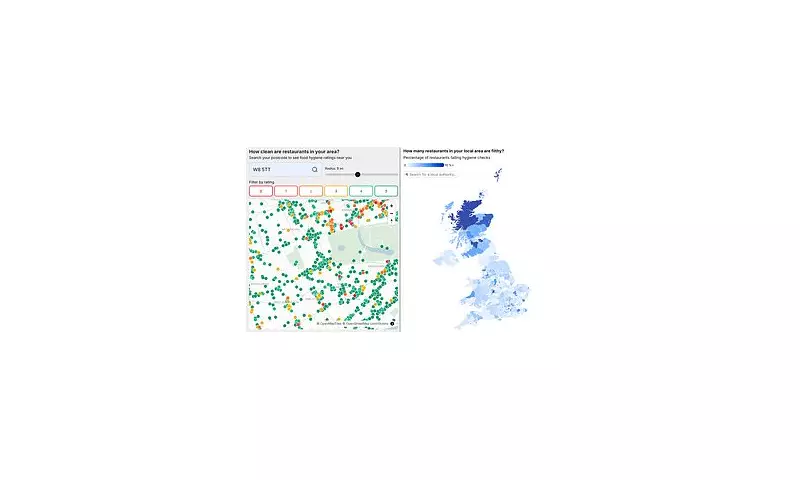
The rate of failure varies dramatically across the country. The Shetland Islands had the highest rate of hygiene failures at 19%, followed by Aberdeen at 16.7% and the London borough of Ealing at 14.8%. In contrast, 19 local councils recorded not a single restaurant failure.
A poor hygiene rating can be devastating for a business, damaging its reputation overnight. Experts from Food Safety Consultancy UK note that consumers are now more aware of ratings than ever, often checking scores online or via local community groups. Furthermore, some food delivery platforms, like Just Eat, require a minimum rating of three to partner with a business, directly impacting turnover.
Ian Andrews of the Chartered Institute of Environmental Health highlighted the broader consequences: 'When food safety controls fail, illness can result, which ties up really valuable NHS resources.' He confirmed that environmental health practitioners investigate failures and take enforcement action to prevent illness spreading.
System Under Strain and Calls for Change
The UK's food hygiene inspection system, established in the late 1990s after crises like mad cow disease and a fatal E. coli outbreak, is generally regarded as effective. However, it is facing significant strain. Over the past decade, the number of council food standards inspectors has fallen by 45%, leading to warnings about unsustainable pressure on teams.
Currently, 10,363 restaurants have never been inspected. Inspection frequency can vary based on local authority resources, with some areas experiencing long gaps between checks. A major point of contention is that, unlike in Wales and Northern Ireland, businesses in England are not required by law to display their hygiene rating sticker. Only 72% choose to do so, with compliance strongly linked to a higher score.
Campaigners from Which? and the FSA are calling for mandatory display in England and Scotland, arguing it increases transparency and drives standards up. A UKHospitality spokesman pointed out that 76.6% of businesses achieve the top rating of 5, demonstrating high sector compliance despite challenges.
The FSA emphasises that its rating is a 'snapshot' of hygiene practices related to food storage and preparation, not quality or service. Businesses that fail can request a re-inspection after making improvements. An FSA spokesman stated: 'The fact that premises with poor hygiene standards are being identified... demonstrates that local authority food officers are doing their job.'