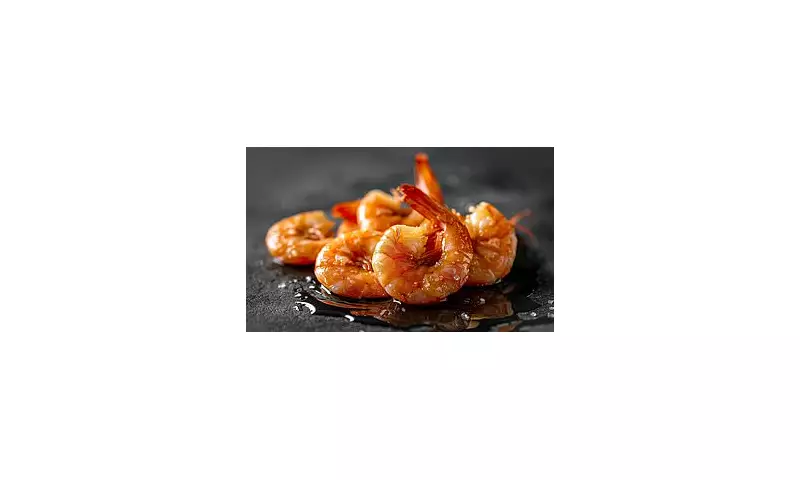
A major food safety alert has been issued in the United States after more than 80,000 bags of frozen raw shrimp were recalled over fears they may be contaminated with a radioactive substance. The US Food and Drug Administration (FDA) announced the urgent recall initiated by Direct Source Seafood LLC.
Details of the Recall and Affected Products
The company is recalling a total of 83,800 bags of shrimp that were imported from Indonesia. An investigation revealed the products may contain Cesium-137, a human-made radioactive isotope. The contamination is suspected to have occurred because the shrimp "may have been prepared, packed, or held under insanitary conditions."
The recalled shrimp were sold under two brand names:

- Market 32: Sold at Price Chopper stores on or after July 11 in Connecticut, Massachusetts, New Hampshire, New York, Pennsylvania, and Vermont.
- Waterfront Bistro: Sold at Jewel-Osco, Albertsons, Safeway, and Lucky Supermarket stores on or after June 30 in Colorado, Iowa, Idaho, Illinois, Indiana, Montana, North Dakota, Nevada, Oregon, Utah, and Wyoming.
Health Risks and Consumer Advice
While Cesium-137 is present at harmless levels in the environment from mid-20th century nuclear testing, the FDA is concerned about the potential for "longer term, repeated low dose exposure" from consuming the contaminated shrimp. Such exposure could damage DNA within the body's cells and elevate the risk of cancer.
The FDA and the company advise consumers not to eat the affected products. Consumers should either throw the bags away or return them to the store of purchase for a full refund. Importantly, no illnesses have been reported so far in connection with the recalled shrimp.
Ongoing Investigation and Contact Information
The FDA stated it is "actively investigating" incidents of Cesium-137 contaminating shipping containers from Indonesia. Consumers with concerns about the recall can contact Direct Source Seafood LLC at 425-455-2291, Monday through Friday from 8am to 5pm Pacific Standard Time.
This large-scale recall highlights ongoing challenges in global food supply chains and the critical role of regulatory oversight in protecting public health from unconventional contaminants.