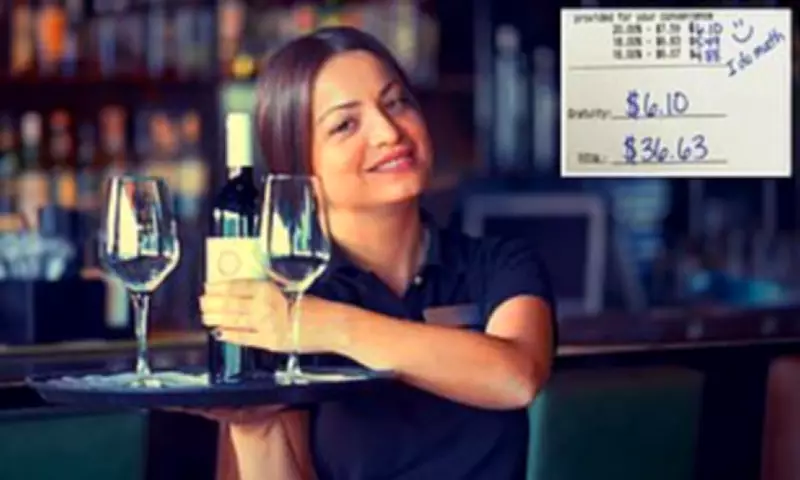
A customer has sparked a viral online debate after sharing a photo of a restaurant receipt where they caught the establishment inflating its suggested tip amounts. The diner posted the image to a Facebook group, explaining they noticed the pre-calculated gratuity suggestions did not match the advertised percentages, prompting them to do their own math and leave a cheeky note.
The Discrepancy That Went Viral
According to the post, the diner's bill totalled $30.53. However, upon reviewing the receipt, they observed that the suggested tip amounts for percentages like 18%, 20%, and 25% appeared higher than they should have been. Suspicious, the customer grabbed a calculator to verify the figures.
The diner recalculated the correct amounts and handwritten them on the receipt, effectively crossing out the restaurant's printed suggestions. Next to the correction, they wrote a note stating "I do math," highlighting the discrepancy for all to see.

Online Reactions and Broader Tipping Debate
The post quickly garnered significant attention, with many commenters applauding the diner's vigilance. Several users shared similar experiences, noting that restaurants sometimes calculate suggested gratuities based on the after-tax total rather than the pre-tax bill, which inflates the final tip beyond the advertised percentage.
However, not all responses were supportive. One critic remarked, "I mean, it's just a dollar or two, and it goes directly to the server. If you can't afford to tip your waiter or waitress, you probably shouldn't be dining out." Others urged caution, pointing out that servers often have no control over how tip suggestions are programmed into payment systems.
The Growing Backlash Against Tipping Practices
This incident taps into a broader backlash against tipping culture in the United States, where customers feel increasingly pressured to leave larger gratuities. Digital payment systems and printed receipts frequently suggest tips of 18%, 20%, or even 25%, which some believe has artificially raised expectations.
On online forums dedicated to criticising tipping culture, users have accused restaurants of using suggested gratuities to reshape what customers consider normal. "Deceptive is deceptive, no matter if it's a dollar or two," one commenter wrote, emphasising the principle over the amount.
Consumer Frustration and Industry Practices
Consumer frustration around tipping has been mounting as more businesses add gratuity prompts or service fees to bills. In some cases, customers have reported unexpected charges appearing on receipts after checkout, sparking viral outrage online.
Critics argue these tactics blur the line between voluntary tips and hidden surcharges, especially when calculations are not clearly explained. Supporters of tipping counter that suggested gratuities provide helpful guidance and ensure service workers, who often rely heavily on tips, are fairly compensated.
As diners increasingly scrutinise their receipts, even minor discrepancies—"just a dollar or two"—are becoming flashpoints in America's ongoing debate over tipping transparency, digital payment ethics, and consumer rights in the hospitality industry.