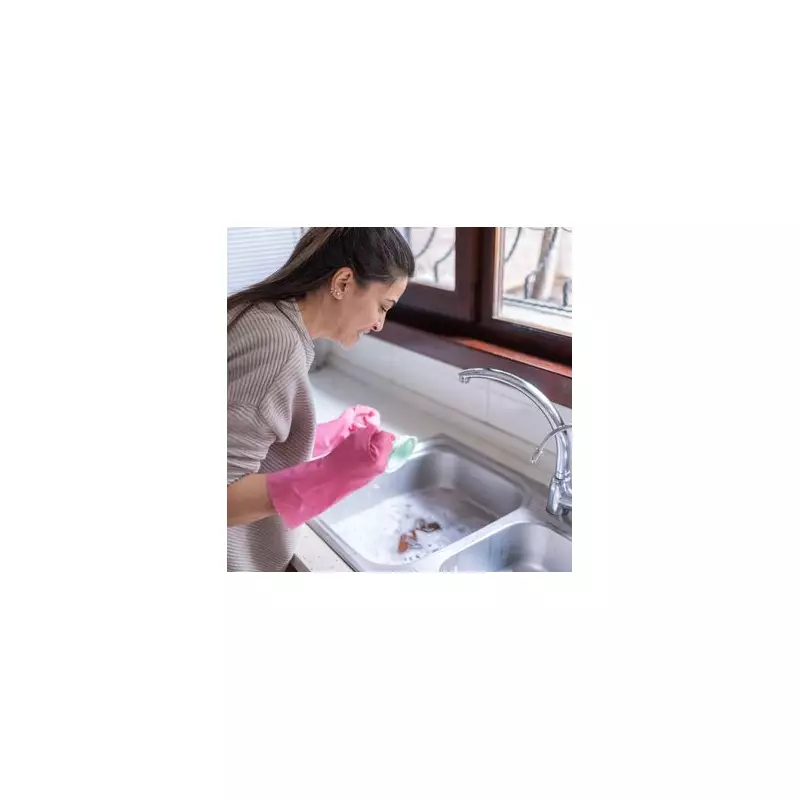
Kitchen and bathroom drains are often the grimiest spots in a home, silently accumulating food scraps, grease, and soap scum. This build-up not only creates foul odours but also becomes a breeding ground for bacteria and a common cause of stubborn blockages.
The Problem with Common DIY Drain Solutions
Many homeowners turn to a popular social media hack involving white vinegar and bicarbonate of soda to tackle a slow-draining sink. While the fizzy reaction can dislodge some debris, experts warn that these mild substances alone are not robust enough to dissolve the greasy, sticky layer that causes most clogs and harbours germs.
This fatty residue can quickly reduce water flow to a snail's pace and may eventually lead to a complete pipe obstruction, resulting in a costly call to a professional plumber.

The Expert-Recommended Three-Ingredient Method
Fortunately, the specialists at Get Home Things have shared a highly effective, natural alternative that requires no harsh chemicals. The secret weapon? An item already by your sink: washing up liquid.
As reported by the Mirror, the experts advise: "If you've got a clogged sink drain, don't head straight for the chemical drain clog remover - try using some washing up liquid first!"
Washing up liquid is specifically formulated to cut through oils and grease, making it perfect for dissolving the sticky film inside your pipes and giving your drainage system a thorough clean.
Step-by-Step Guide to a Clear Drain
This simple method is ideal for preventing future blockages or clearing minor clogs. Here is the exact process, as detailed by the experts:
- Start by pouring 100g of baking soda directly down the drain. This will coat the interior of the pipes and help the subsequent reaction penetrate deeper.
- Next, pour 120ml of white vinegar into the drain. The resulting fizzing action will help to loosen some of the accumulated gunk. Allow the bubbles to work for a minute or two until they subside.
- The crucial third step: squirt 250ml of washing up liquid down the drain. Leave the mixture to work its magic for at least 15 minutes. This gives the soap time to dissolve and soften the greasy residue effectively.
- Finally, boil a full kettle of water and carefully pour the entire contents down the drain. The hot water will melt the softened grease and flush away any remaining debris, leaving your drain clean and free-flowing.
By incorporating this easy, three-ingredient routine into your household maintenance, you can tackle unpleasant smells, prevent slow drainage, and avoid more serious plumbing issues down the line—all without resorting to expensive or corrosive chemical cleaners.