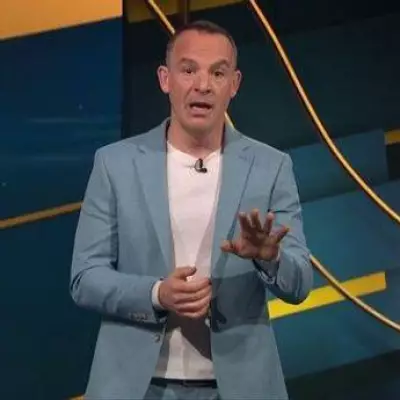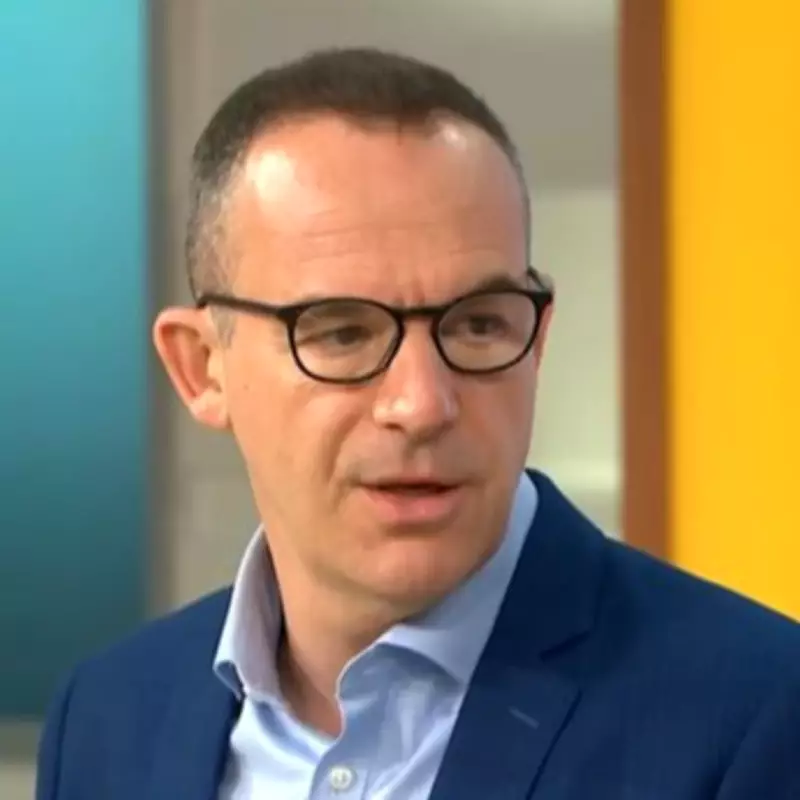
Consumer finance expert Martin Lewis has provided crucial insight into significant upcoming changes to UK consumer protection law, specifically addressing long-standing frustrations around subscription and service cancellations.
The Campaign for Fair Cancellation Processes
During a recent episode of his BBC podcast, Martin Lewis responded to a listener's question about whether he would support legislation mandating that exiting a subscription should be as straightforward as initially signing up. The listener highlighted the particular issue with broadband providers, where setting up service often takes just minutes online, but cancellation frequently involves lengthy phone calls and being transferred between multiple departments.
The Money Saving Expert founder enthusiastically endorsed the concept, stating: "My view has always been very simple. I should be able to get out of something the same way I got into it. So if I set it up online, I should be able to get out of it online in the same way. If I called, I should be able to call. If I texted, I should be able to text. That should be the basic rule."
Legal Changes on the Horizon
Fortunately for consumers, Lewis confirmed that legislative progress has been made. The Digital Markets, Competition and Consumers Act 2024 contains provisions specifically addressing this issue, stating that consumers should not face greater difficulty when exiting subscription contracts than they encountered when entering them.
"The good news is, in the Digital Markets, Competition and Consumers Act 2024, there is a point that says consumers should not have to put in more effort to exit a subscription contract than they did to enter it, which I think goes quite a long way to covering your point," Lewis explained to his audience.
Implementation Timeline and Additional Protections
While the legislation has been passed, Lewis noted there is a significant caveat regarding implementation. "While that law has been passed, each section of the law needs specific secondary legislation to bring it into force, and the way that secondary legislation comes into place is it has to go out to consultation," he clarified.
The government has not yet established the specific rules for this section, with implementation originally anticipated for spring 2026 now pushed back to autumn 2026. "It was meant to come no earlier than spring this year, it's now looking at autumn this year. So let's just cross our fingers that by the end of the year, that will be in place," Lewis added.
The new legislation introduces enhanced consumer protections beyond simplified cancellation processes. It provides for two distinct cooling-off periods, each lasting 14 days. The first applies immediately after initially signing up for a subscription, while the second becomes available when a subscription renews, particularly when a new contract lasting 12 months or more begins, or following the conclusion of any free or reduced-rate trial period.
These changes represent a significant victory for consumer rights advocates like Martin Lewis, who has long campaigned for fairer treatment of customers, particularly vulnerable groups like elderly consumers who may struggle with complex cancellation procedures. The reforms aim to force companies to become more competitive and transparent in their customer service practices, ensuring that cancellation teams respond as promptly as sales departments.