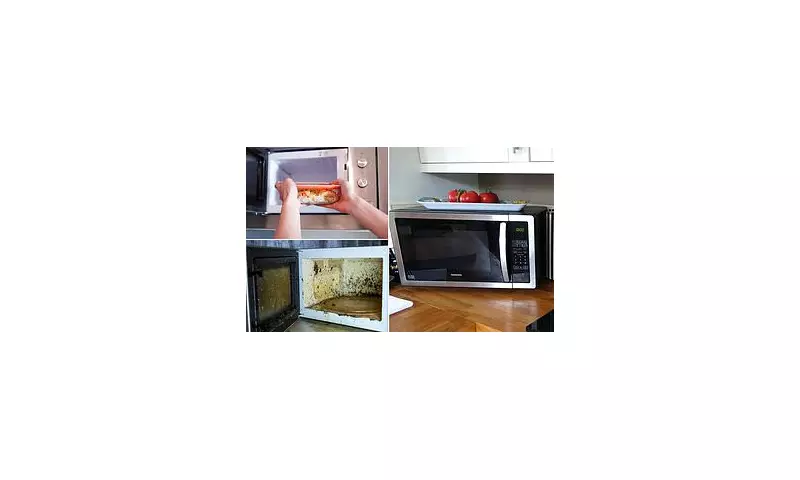
For many households across the UK, the microwave is an indispensable kitchen workhorse, used daily for everything from reheating leftovers to making a quick snack. However, new warnings from appliance experts suggest that a significant number of Brits are using their microwaves incorrectly, potentially creating serious safety risks, including fire hazards.
The Hidden Danger of Microwave Storage
In kitchens where counter space is at a premium, it's a common sight: a microwave oven doubling as a shelf for cookbooks, fruit bowls, or rolls of kitchen towel. This seemingly harmless habit is a key mistake highlighted by specialists at Cookology. Andrew Wright, the founder of Cookology, explains that blocking the appliance's vents by using it for storage can cause it to overheat. This overheating can lead to permanent damage to the machine and, in the worst cases, spark a fire.
"If you're in a smaller kitchen with limited surface space and a countertop microwave, it might be tempting to use the top of it for additional storage," the experts noted. "However, this can block the vents, causing them to overheat, leading to potential damage or even creating a fire hazard."

Four Critical Microwave Mistakes to Avoid
Beyond the storage issue, Cookology has identified several other frequent blunders that can affect food safety, cooking results, and the longevity of the appliance itself.
1. Using Unsafe Containers
While most people are aware of the dangers of metal in a microwave, the risks associated with plastic are often overlooked. Containers not labelled as microwave-safe can leak harmful chemicals into food, particularly when heating fatty or oily dishes. It's crucial to check that any plastic tub, film, or lid is specifically designed for microwave use.
2. Forgetting to Stir or Rotate Food
Even with a turntable, microwaves can heat unevenly, creating cold spots where harmful bacteria survive. Pausing the cycle to stir or rotate the dish is essential for consistent and safe reheating. Cookology emphasises that this step is particularly important when reheating rice, meat, or leftovers, as it ensures the food reaches a uniformly high temperature throughout.
3. Sealing Containers Too Tightly
While covering food prevents splatters and aids cooking, a tightly sealed lid is a recipe for disaster. Pressure can build up inside the container, causing it to warp or the lid to violently pop off. Experts advise leaving a small gap or vent to allow steam to escape safely, even when using microwave-safe containers.
4. Ignoring Cleanliness
A dirty microwave is not just unhygienic; it's also inefficient. Food splatters absorb energy, making the appliance work harder and cook less effectively. These residues can also smoke or cause unpleasant odours. When cleaning, avoid bleach or ammonia-based products, as they can leave toxic fumes in the enclosed space that may contaminate future meals.
Essential Tips to Prevent Food Poisoning
Complementing their microwave advice, Cookology also underscores broader kitchen safety practices to avoid foodborne illness. Key recommendations include maintaining a scrupulously clean workspace and preventing cross-contamination by using separate chopping boards for raw meat and ready-to-eat foods. They also stress that a food thermometer is the only reliable way to ensure food is cooked safely, and that perishables must be refrigerated promptly.
Other vital tips include not relying solely on expiration dates, trusting your senses if food smells or looks off, and never thawing frozen food on the countertop, where bacteria can multiply rapidly. Instead, thaw food in the fridge, in cold water, or using the microwave's defrost setting.
"Microwaves are brilliant tools when used properly, but we see the same mistakes again and again," concluded Andrew Wright. "People often treat them like a one-button solution, but a little know-how goes a long way in improving results and extending the life of the machine."