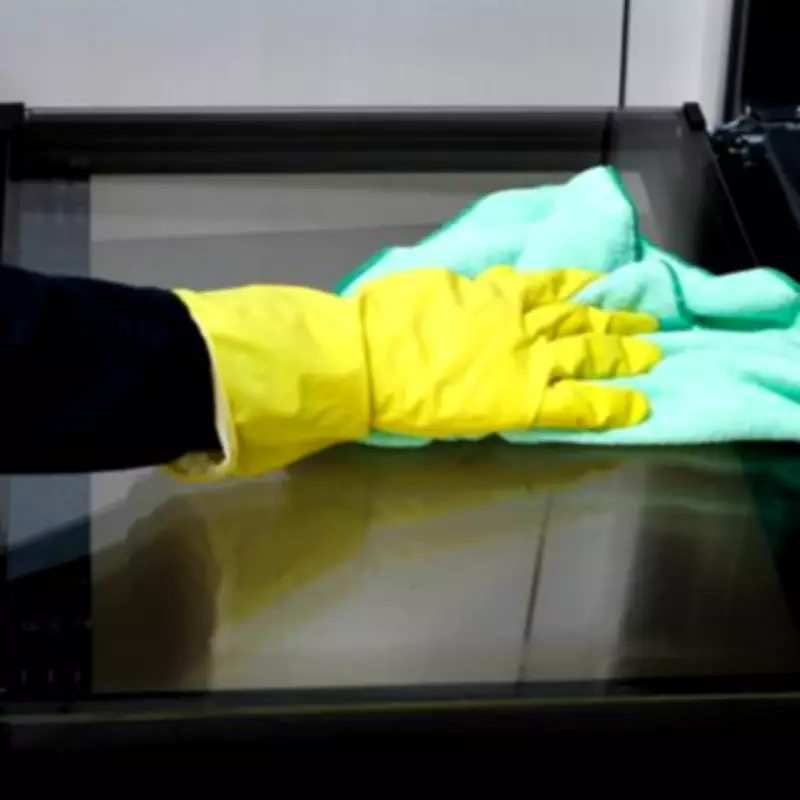
Cleaning the oven is often regarded as one of the most tedious and neglected tasks in kitchen upkeep, yet it is crucial for maintaining a safe and functional cooking environment. According to the consumer advocacy group Which?, a widespread cleaning error could inadvertently lead to a hazardous situation where your oven door shatters unexpectedly.
The Hidden Danger in Common Cleaning Practices
Which? highlights that the issue is not necessarily about the cleaning agents used, such as bicarbonate of soda, but rather the tools employed during the process. Many households rely on scrubbing brushes, sponges with scourers, or even old toothbrushes to tackle grease and grime. While these can be effective for reaching tight spaces, they pose a significant risk when applied to glass oven doors.
Why Scourers Are a Problem
Using scourers on a glass oven door can introduce minuscule scratches onto the surface. Over time, these tiny imperfections compromise the structural integrity of the glass, rendering it vulnerable to shattering. This risk escalates with repeated use, potentially causing the door to break at an inopportune moment, such as during cooking or cleaning.

To mitigate this danger, Which? recommends avoiding abrasive tools altogether when cleaning glass components. Instead, opt for softer materials and gentle techniques to preserve the glass's durability and ensure long-term safety.
Safe Cleaning Methods Recommended by Experts
For those seeking a natural and effective cleaning solution, bicarbonate of soda remains a viable option when used correctly. Follow these steps to clean your oven safely without risking damage:
- Create a paste by mixing equal parts bicarbonate of soda and water.
- Apply this mixture to greasy or burnt-on spots within the oven.
- Allow the paste to sit for several hours to break down stubborn residues.
- Gently scrub off the paste with a non-abrasive cloth or sponge to reveal a clean surface.
It is essential to emphasise that scrubbing should be done with care, avoiding any harsh or abrasive actions that could scratch the glass.
Proactive Maintenance Tips
Which? advocates for a "clean little and often" approach to oven maintenance. Regular wiping down, at least once a month, can prevent the accumulation of tough grime. After cooking dishes that are prone to splattering, such as roasts or casseroles, it is advisable to wipe the oven once it has cooled to address spills promptly.
Additionally, covering dishes with lids or foil and placing them on baking trays can minimise mess and reduce the need for intensive cleaning sessions. If a burning smell is detected during preheating, it often indicates leftover food burning off; a thorough wipe-down after cooling can help prevent persistent residue buildup.
When to Consider Professional Help
For persistent spills or extensive grime, hiring a professional cleaning service may be the best course of action. Which? notes that prices typically start from £50, varying based on factors such as whether you have a single or double oven and if the service includes cleaning the hob and cooker hood. This option ensures a deep clean without the risks associated with improper DIY methods.
By adhering to these guidelines, homeowners can maintain their ovens effectively while avoiding the potential hazards highlighted by Which?. Prioritising gentle cleaning practices and regular upkeep not only enhances kitchen safety but also extends the lifespan of your appliances.