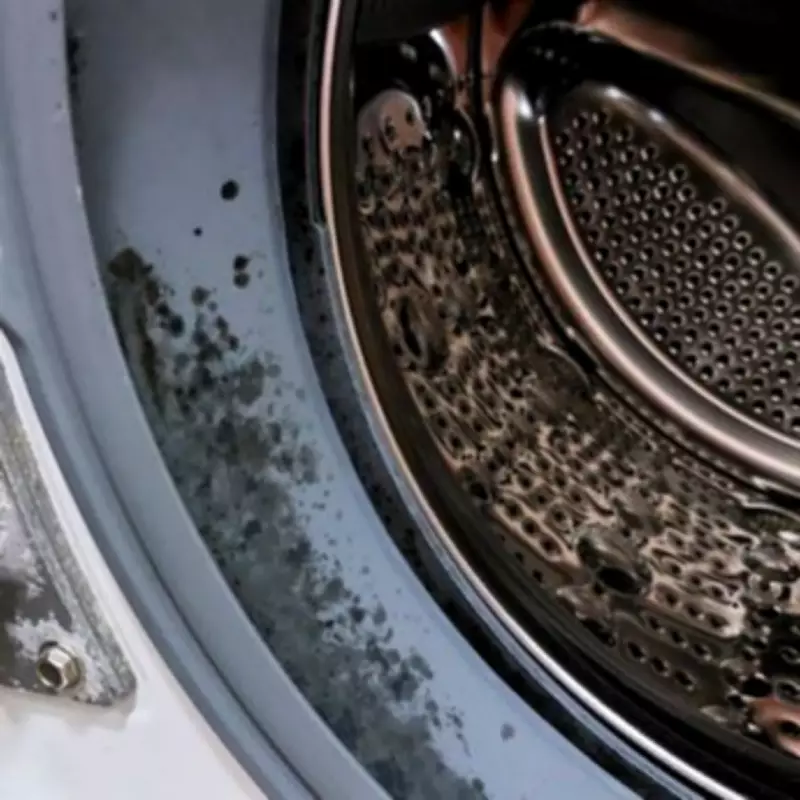
If the rubber seal on your washing machine has become grimy and infested with stubborn black mould, there is an effective cleaning solution that requires no bleach or vigorous scrubbing. This straightforward method utilises a common household item you likely already possess in your kitchen cupboards.
The Problem with Washing Machine Seals
The rubber seal, also known as the door gasket, is a crucial component of your washing machine. It creates a watertight barrier between the door and the drum, preventing water from leaking during wash cycles. However, without regular maintenance, this seal can quickly transform into a breeding ground for persistent black mould and mildew.
Why Mould Develops
The warm, humid environment inside a washing machine provides perfect conditions for mould and mildew to thrive. This not only leads to unsightly black spots but can also generate unpleasant odours that permeate your laundry room.

Since the washing machine seal comes into direct contact with your clothing during cycles, any accumulated dirt or mould can transfer onto your laundry. This completely defeats the purpose of washing clothes to achieve cleanliness and freshness.
Furthermore, a dirty and clogged rubber seal can significantly impair your washing machine's performance. Potential consequences include water leaks, reduced cleaning efficiency, and even long-term damage to the appliance that might necessitate costly repairs or replacement.
The Vinegar Solution
Cleaning specialists at Smol strongly advocate using white vinegar to eradicate mould from washing machine seals. Regarding the effectiveness of this common kitchen staple, the experts stated that "vinegar kills mould more effectively than bleach."
They elaborated, "Bleach only kills mould spores on the surface of affected materials, whereas vinegar can penetrate porous materials, killing mould at its root."
Safety Considerations
While leaving undiluted vinegar on surfaces for extended periods could potentially cause some deterioration, using vinegar properly presents minimal risk. Diluting vinegar with water in a wash cycle, or applying a solution and promptly wiping it away, differs significantly from prolonged exposure.
The experts noted that "people have been using this method for decades without damaging their washing machines," confirming its safety when applied correctly.
Step-by-Step Cleaning Method
To effectively clean your washing machine seal using white vinegar, follow these simple steps:
- Combine equal parts warm water and clear white vinegar in a container.
- Apply the mixture directly to the rubber seal using a clean cloth or sponge.
- Work the solution thoroughly into any visible mould patches, ensuring complete coverage.
- Allow the vinegar solution to soak into the mould for exactly 15 minutes.
- After the soaking period, wipe away the solution with a damp cloth and fresh warm water.
This entire process takes just 15 minutes of soaking time, plus a few minutes for application and wiping. The vinegar's acidic properties break down mould at its source without requiring harsh chemicals or strenuous scrubbing that could damage the rubber seal.
Additional Benefits
Beyond mould removal, this vinegar cleaning method helps eliminate unpleasant odours from your washing machine. Regular maintenance using this technique can extend your appliance's lifespan by preventing seal deterioration and maintaining optimal performance.
For particularly stubborn mould infestations, you may need to repeat the process or allow a slightly longer soaking time. Always ensure proper ventilation when cleaning with vinegar, and consider wearing gloves if you have sensitive skin.