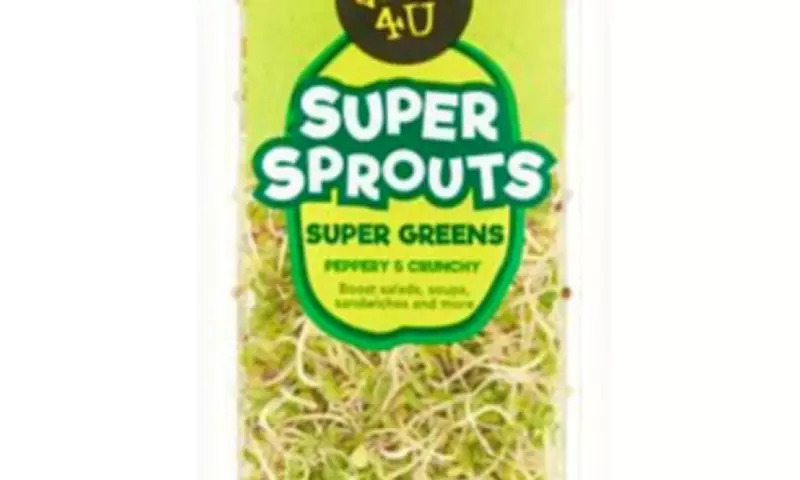
A widely available salad product sold across UK supermarkets has been urgently recalled over serious concerns it may be contaminated with salmonella, a dangerous foodborne bacteria that can cause severe illness. The Food Standards Agency issued the critical warning on April 22, specifically targeting Good4U Super Sprouts Super Greens sold in 60g packets.
Affected Products and Immediate Actions
Officials have confirmed that all packs with use-by dates up to and including May 3, 2026, are potentially contaminated. This timeframe means some consumers may have already consumed the product before the recall announcement was made public. The salad typically retails for approximately £1.50 and has been immediately removed from supermarket shelves nationwide.
Customers who have purchased this product are being strongly urged not to eat it under any circumstances. Instead, they should return it to the store where it was purchased to receive a full refund. Supermarkets are displaying prominent notices explaining the recall procedures and appropriate consumer actions.

Official Statement from Food Standards Agency
A spokesperson for the Food Standards Agency provided clear guidance: 'If you have bought the above product, do not eat it. Return it to where you bought it.' The agency emphasized that no other products from the Good4U brand are affected by this specific recall.
Understanding Salmonella Risks
Salmonella represents one of the most common causes of food poisoning throughout the United Kingdom. Infection typically triggers symptoms within hours of consumption, including severe diarrhoea, vomiting, stomach cramps, and fever. While most healthy individuals recover without medical treatment, the infection can become serious and, in rare instances, prove fatal.
Particularly vulnerable groups include young children, pregnant women, older adults, and individuals with compromised immune systems. Health officials advise anyone experiencing symptoms to avoid work, school, or nursery settings until they have been completely symptom-free for at least 48 hours to prevent further spread of the illness.
Common Sources and Prevention
The bacteria naturally occur in the gut of humans and animals, with infection usually resulting from consuming contaminated food. This often stems from poor hygiene practices or improper food handling during production or preparation. Foods most frequently associated with salmonella contamination include raw poultry, eggs, unpasteurised dairy products, and ready-to-eat items like salads that carry elevated risk because they undergo no cooking process.
Broader Context of Food Safety Concerns
This recall emerges amid growing concerns about foodborne illnesses across the United Kingdom. Recent data from the UK Health Security Agency indicates that cases have increased during early 2025 compared to previous years. The food industry has witnessed several significant recalls in recent times, including chicken products removed from supermarkets in 2022 and over sixty sandwiches, wraps, and salads recalled last year due to potential harmful bacterial contamination.
Research published in BMJ Open Gastroenterology indicates that approximately thirty-three people die annually in the UK from foodborne salmonella infections. The Food Standards Agency initiates recalls whenever products are identified as posing substantial risks to public health and safety.