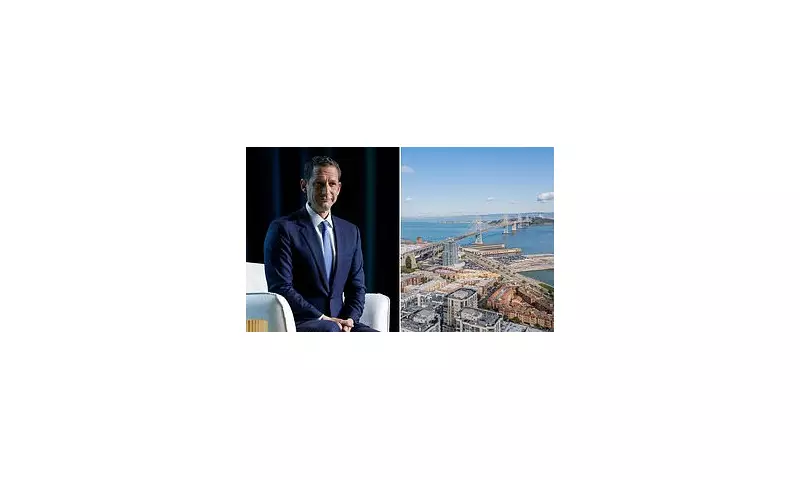
In a move that has ignited fierce debate, the Mayor of San Francisco, Daniel Lurie, has discreetly signed into law a bill to establish a reparations fund for the city's black residents. The legislation, passed just two days before Christmas, creates a framework that could eventually see eligible individuals receive lump sums of up to $5 million.
The Framework of a Divisive Proposal
The newly signed ordinance establishes a Reparations Fund, acting on a key recommendation from the city's African American Reparations Advisory Committee (AARAC). The committee's extensive 2023 report outlined over 100 proposals for addressing historical injustices, with the headline-grabbing suggestion being a $5 million lump sum payment to every eligible African American adult.
However, the bill signed by Mayor Lurie only sets up the fund's structure; it does not allocate any public money to it. The legislation merely provides a vessel for future contributions, which could come from private donors or, potentially, city funds at a later date. This critical detail has become a central point in the ensuing political storm.
Mounting Controversy and Fiscal Realities
The proposal has faced significant criticism from various quarters. The conservative Hoover Institution think tank calculated in 2023 that funding the plan through taxation could cost each non-African American household in San Francisco approximately $600,000. Critics like activist Richie Greenberg have labelled the scheme as "unlawful, irresponsible, and unconstitutional."
Mayor Lurie moved quickly to clarify the bill's intent, emphasising the city's dire financial straits. San Francisco is confronting a projected budget deficit of $1 billion next year. "Given these historic fiscal challenges," Lurie stated, "the city does not have resources to allocate to this fund." He explained his administration remains open to legally dedicated private donations for the fund.
Internal Divisions and False Hopes
Opposition has not been limited to conservative voices. The San Francisco chapter of the NAACP has publicly opposed the city's approach. Reverend Amos Brown, the chapter president, argued that the 2023 reparations plan created false hopes, calling the $5 million figure "an arbitrary number," despite the organisation's general support for cash payments.
Furthermore, former Mayor London Breed, a Democrat, expressed reservations about handling direct cash reparations at the city level, suggesting it should be a federal responsibility. The bill's author, Supervisor Shamann Walton, defended the legislation as a "major first step," distinct from asking the city to immediately fund the recommendations.
The bill's supporters argue it aims to rectify historical disinvestment in predominantly black neighbourhoods from the 1950s to the 1970s, a period of so-called urban renewal that displaced communities. With the fund now legally established but empty, the fierce debate over reparations, responsibility, and San Francisco's financial future is set to continue.