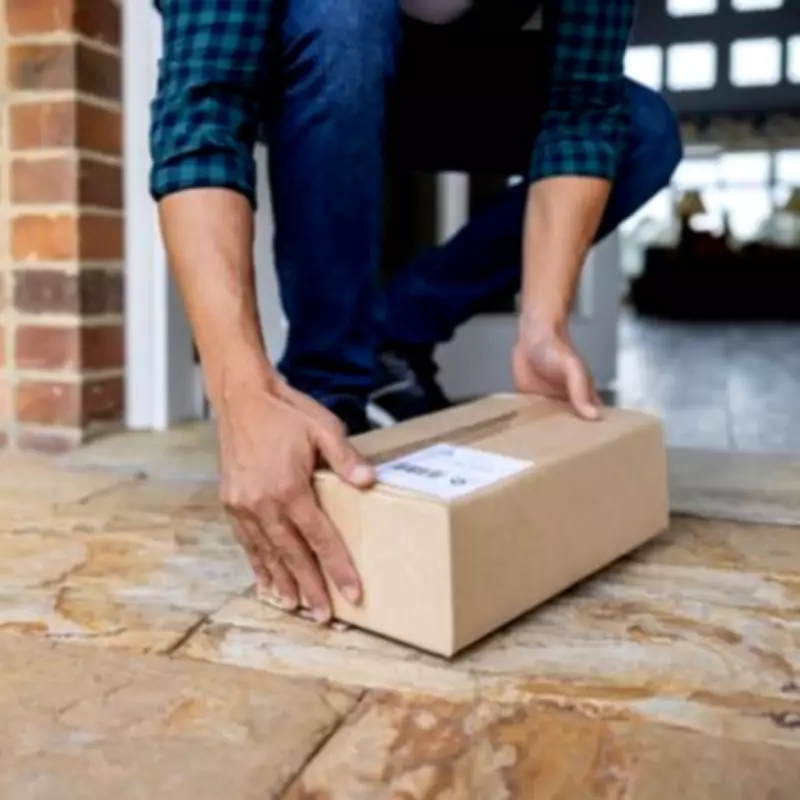
UK households are being issued a critical nationwide warning to remain vigilant if they discover a parcel at their front door that they did not order. According to the consumer advocacy group Which?, this could be a deliberate and dangerous scam orchestrated by criminals aiming to exploit personal information.
The Sneaky Scam Explained
Which? has taken to social media platforms, including Instagram, to raise awareness about this deceptive tactic. In a recent post, the organisation highlighted that these unsolicited parcels are not innocent gifts but rather a calculated scheme. The post stated clearly: "Households are receiving parcels for items they never ordered and these are not generous gifts, but a sneaky scam that you need to know about."
How the Scam Operates
Scammers typically send out cheap, unwanted items such as scarves, seeds, or phone cases to random addresses. By doing so, they can falsely verify a purchase at that location. This allows them to post fraudulent five-star reviews labelled as "Verified Purchase" under the recipient's name, artificially boosting their online ratings and misleading other consumers.

More alarmingly, obtaining your address through this method provides criminals with a key piece of personal data. Which? experts caution that this information is often sourced from data leaks or previous scams. With your address in hand, scammers might attempt to commit identity theft by opening accounts in your name or sending malicious QR codes linked to malware-infected websites.
Immediate Steps to Take
If you receive an unsolicited parcel, it is crucial to act promptly to protect yourself. Which? recommends the following actions:
- Report the delivery as an unwanted package to the marketplace from which it was sent.
- Change your passwords immediately and monitor your credit files for any signs of fraudulent activity.
- Dispose of the item, especially if it is an electronic or beauty product, as it may not meet safety standards.
Importantly, under UK law, you have no obligation to return or pay for unsolicited goods. The golden rule is that you can legally keep these items without any penalty. However, due to potential safety risks, disposal is often the safest course of action.
A Growing Threat
This scam, often referred to as a "brushing scam," is not a new phenomenon. Which? reports that searches for such scams were trending earlier this year, and back in 2021, they estimated that over one million UK households could have been targeted. Victims have reported receiving a wide range of items, from vacuum cleaners and bread to packs of noodles and phone cases.
What to Do If You Suspect Fraud
If you believe you have fallen victim to this or any other scam, take these essential steps:
- Contact your bank immediately to report any unauthorised transactions or financial loss.
- Cease all communication with the suspected scammer.
- Report the fraud to Action Fraud, the UK's national reporting centre.
- Change any compromised passwords and secure your devices.
- Regularly check bank statements for further suspicious activity.
- Forward any suspicious emails to report@phishing.gov.uk.
By staying informed and proactive, consumers can better safeguard their personal information and financial security against these evolving threats.