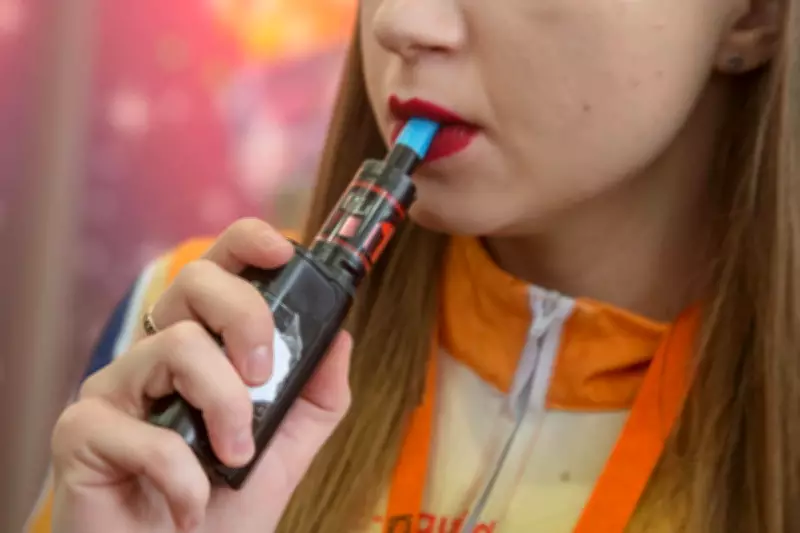
Underage Teens Easily Access Age-Restricted Products on UK High Streets
A recent undercover investigation by consumer group Which? has uncovered alarming lapses in age verification across UK high streets, allowing underage shoppers to purchase nicotine vapes and book cosmetic procedures like lip fillers with minimal difficulty. The findings point to systemic enforcement failures and a pressing need for regulatory reform.
Widespread Failures in Vape Sales to Minors
In a targeted operation, undercover shoppers aged 14 to 17 visited eight shops in London, attempting to buy nicotine vapes. Shockingly, five of these retailers sold the products to the minors, with some failing to request any form of identification. In several instances, sales proceeded even after the young shoppers explicitly admitted they had no ID, blatantly violating UK laws that prohibit the sale of nicotine products to individuals under 18.
This pattern of non-compliance suggests a troubling disregard for legal obligations among certain retailers, potentially driven by a perception that enforcement is weak and consequences are minimal.

Lip Filler Appointments Booked Without Age Checks
The investigation extended beyond retail to include cosmetic services, where a 17-year-old girl successfully booked and received a consultation for a lip filler appointment without undergoing any age verification. This is particularly concerning given that in England, it is illegal to administer or arrange such treatments for anyone under the age of 18. The ease with which this appointment was secured underscores significant gaps in the oversight of cosmetic procedures, raising serious public health and safety concerns.
Calls for Urgent Action and Investment
Which? attributes these breaches to what they describe as 'rogue businesses' exploiting the severe strain on Trading Standards departments across the UK. The chronic underfunding and resource shortages have crippled enforcement capabilities, allowing violations to proliferate unchecked.
In response, both Which? and the Chartered Trading Standards Institute (CTSI) are advocating for immediate measures. Which? is pushing for a comprehensive restructuring of the consumer enforcement system to enhance accountability and effectiveness. Meanwhile, CTSI is calling for substantial investment to bolster Trading Standards teams, ensuring they have the necessary resources to protect consumers and uphold the law.
These findings highlight a critical need for stronger regulatory frameworks and better support for enforcement agencies to safeguard young people from accessing harmful products and services.