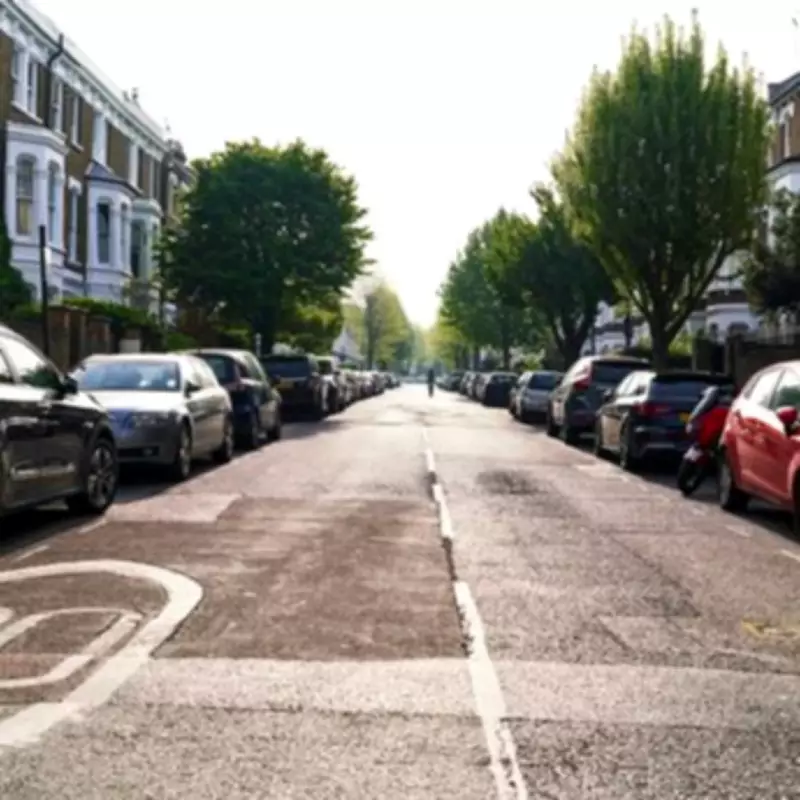
A government minister has provided an update on proposed changes to pavement regulations aimed at making it easier for people without driveways to charge their electric vehicles (EVs). The changes are part of broader efforts to encourage EV adoption by removing barriers for those who rely on on-street parking.
Grant Increase and Planning Review
From April 1, 2026, the grant for installing a home EV charger was raised to £500, up from £350. Keir Mather, the minister for decarbonisation, stated earlier this year that this would cover roughly half the cost of installation. The enhanced grant is available to flat owners, renters, and landlords. However, for homeowners with only on-street parking, further steps are being taken to permit 'cross-pavement' charging solutions, allowing residents to safely charge their vehicles on the street outside their homes if they lack a driveway or private parking space.
Parliamentary Questions and Responses
Several parliamentary questions on the matter were raised this month. Joe Robertson, Conservative MP for the Isle of Wight, asked how many applicants had successfully received funding under the Electric Vehicle Chargepoint Grant for Households with On-Street Parking and the total value of funding awarded. Mr Mather replied that as of January 1, 2026, the grant had funded 39 sockets with a grant value of £13,531. He noted that this grant is available for properties with on-street parking if they are also installing a cross-pavement solution, and it is in addition to the £25 million Electric Vehicle Pavement Channels Grant for local authorities. The government has consulted on reducing planning permission requirements for cross-pavement solutions and will respond in due course.

Shivani Raja, Conservative MP for Leicester East, questioned steps being taken to improve accessibility and affordability of at-home EV charging. Mr Mather highlighted the continued grant funding for flats and rented accommodation, up to £500 per charge point socket, and support for cheaper, flexible charging tariffs as part of the Clean Flexibility Roadmap 2025.
Jerome Mayhew, Conservative MP for Broadland and Fakenham, asked about expanding permitted development rights to include pavement gullies for at-home EV charging. Mr Mather confirmed that a consultation on changes to permitted development rights for cross-pavement charging solutions was held between November 2025 and January 2026, with a response to be published shortly.
These updates signal the government's commitment to easing the transition to electric vehicles for households without driveways, addressing both financial and regulatory hurdles.