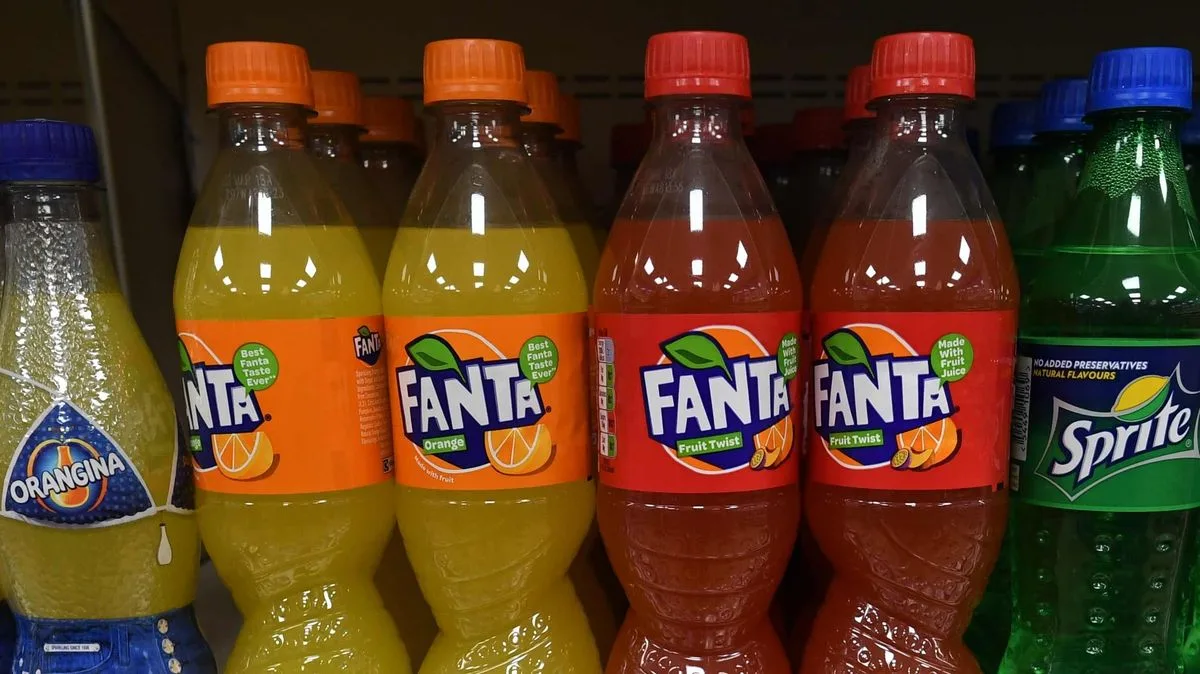
A recent viral social media experiment has highlighted the surprising variations between seemingly identical food and drink products sold in different countries, with one influencer's comparison of American and British Fanta Orange revealing two major differences that astonished viewers.
The Fanta Face-Off
Phoebe, a lifestyle content creator who boasts a combined following of more than two million across social media platforms where she posts as phoebeisginger, conducted a side-by-side comparison of Fanta Orange purchased in the United Kingdom and the United States. Despite both products carrying the same brand name and flavour designation, the differences were immediately apparent and sparked significant discussion among her audience.
Visual Disparity
In her demonstration video, Phoebe poured both versions of the orange soda into separate glasses, clearly labeling which originated from the UK and which came from the US. The most striking initial difference was the dramatic variation in colour between the two beverages.
The American Fanta displayed a deep, intense orange hue, while the British version appeared significantly lighter, presenting an almost yellow shade that contrasted sharply with its transatlantic counterpart. "They are both the same flavour of orange, but look at the colour difference," Phoebe observed during her presentation, adding about the American product: "That looks like a radioactive chemical."
Nutritional Revelation
The second major discovery came when Phoebe examined the nutritional information printed on the cans. The sugar content revealed a staggering discrepancy between the two products that left the influencer visibly shocked.
The American Fanta contained 44 grams of total sugars per serving, while the British version contained just 15 grams of sugar - less than one-third of the American product's sweetener content. "I think this should be illegal," Phoebe exclaimed. "How are they allowed to sell that? I can imagine that the average American probably consumes this whole can in three gulps. That amount of sugar, that is sickening."
Taste Test Verdict
After documenting the visual and nutritional differences, Phoebe proceeded to taste both beverages to compare their flavours. Her assessment further highlighted the impact of the substantial sugar disparity.
Regarding the American Fanta, she reported: "I'll be honest, it's got that much sugar in that it's actually too sickly and sweet." In contrast, she described the British version as tasting "more like orange juice" rather than an overwhelmingly sweet soda. Returning to the American product, she concluded: "This just tastes like sugar, just straight sugar. I don't know what they're putting in for it to look that different."
Audience Reactions
The video sparked extensive discussion in the comments section, with viewers sharing diverse perspectives on the transatlantic Fanta comparison:
- One commenter noted: "American Fanta is super addictive! I used to drink it incessantly when I was in the States, even though the ingredients are so obviously deadly."
- Another offered a different viewpoint: "But the radioactivity is why it tastes so good," referencing Phoebe's earlier comment about the American version's intense colour.
- An American visitor to Britain shared: "So I'm a Yank visiting Wales and I've fallen in love with UK Fanta... It tastes better!"
- Another observer pointed out: "But the British one has artificial sweeteners…so they're both bad," highlighting that both versions contain sweetening agents, just in different forms and quantities.
One particularly insightful comment addressed the broader context of sugar consumption habits: "The thing about sugar in drinks is, you get so used to it. When I cut down and started to drink those one calorie drinks, it tasted like water to me. After that, going with zero calorie flavoured water, it again tasted like plain water. But after a few days you start to get the taste back again. That to say: customers are accustomed to however much sugar is in a drink, and they can fairly easily get weaned off, if they try."
This comparison between American and British Fanta Orange serves as a compelling case study in how global food brands often adapt their products to different markets, resulting in significant variations in appearance, composition, and taste that consumers might not anticipate when purchasing what appears to be the same product in different countries.