

Financial markets experienced significant turbulence on Tuesday as renewed tariff threats from the White House triggered a widespread selloff of US assets, sending the dollar to its largest daily fall in over a month while Bitcoin and other cryptocurrencies also declined sharply.
Dollar Index Records Steepest Decline Since December
The dollar index, which measures the US currency's performance against a basket of six major currencies, fell as much as 0.7% - marking its most substantial one-day drop since mid-December. This decline came as investors expressed growing concerns about exposure to US markets following President Donald Trump's latest tariff warnings directed at European allies.
Market analysts noted that the situation echoed the so-called "Sell America" trade pattern that emerged after last year's "Liberation Day" tariff announcement in April, with US stocks, Treasury bonds, and the dollar all experiencing simultaneous declines.

Analysts Cite 'Fears of Prolonged Uncertainty'
Tony Sycamore, a market analyst at IG in Sydney, explained that investors were actively dumping dollar assets due to multiple concerns. "Fears of prolonged uncertainty, strained alliances, a loss of confidence in US leadership, potential retaliation and an acceleration of de-dollarisation trends" were driving the market reaction, he stated.
Sycamore added that while there were hopes the US administration might de-escalate these threats as it had with prior tariff announcements, "it is clear that securing Greenland remains a core national security objective for the current administration."
European Currencies Gain Ground
The euro strengthened significantly amid the dollar's weakness, rising 0.8% to $1.1742 and heading for its biggest one-day rally since September. Meanwhile, the pound gained 0.24% to trade at $1.346, receiving a minor additional boost from UK labour market data that showed unemployment remaining at a five-year high but offered some positive indicators such as plateauing vacancy numbers.
Mixed Outlook for Euro Demand
Barclays strategist Lefteris Farmakis suggested that the "Sell America" effect on euro demand might prove temporary. "Tariff threats are a marginal negative for the dollar in the near-term given long positions and still-low hedge ratios from a historical perspective," he noted.
However, Farmakis cautioned that "major escalation with NATO spill-overs is a much bigger problem for the euro than Liberation Day." Weekly data from US markets regulators shows investors have modestly trimmed their largest bullish holdings of euro futures, though positions remain close to their highest levels since mid-2023.
Cryptocurrencies and Asian Markets React
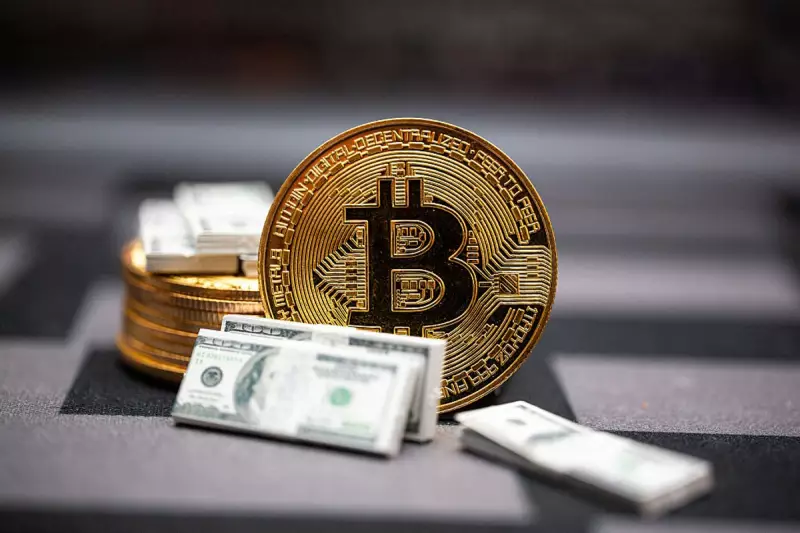
Bitcoin fell 2% to $91,090 while ether declined 3.3% to $3,104, reflecting broader risk aversion in financial markets. The yen, which had slid overnight as a selloff in Japanese government bond markets accelerated, recovered somewhat as European trading commenced, leaving the dollar down 0.3% at 157.68 yen.
Japanese Prime Minister Sanae Takaichi's announcement of snap elections for February, coupled with pledges to implement fiscal policy loosening measures, has unsettled investors concerned about Japan's fragile public finances.
Safe-Haven Currencies Strengthen
The Swiss franc, traditionally a beneficiary of safe-haven flows during market turbulence, strengthened for a third consecutive day, leaving the dollar down 1.1% at 0.7885 francs. Against the Chinese yuan trading offshore in Hong Kong, the dollar remained steady at 6.952 yuan, its weakest level since May 2023.
The People's Bank of China maintained benchmark lending rates unchanged for an eighth straight month in January, aligning with analyst expectations. Meanwhile, the Australian dollar rose as much as 0.48% to $0.675, approaching its strongest level since October 2024, while the New Zealand dollar climbed 0.77% to $0.584, reaching its highest point this year.
Market participants continue to monitor developments closely, with particular attention on potential escalation of trade tensions between the US and European allies and the implications for global currency markets and investment flows.






