

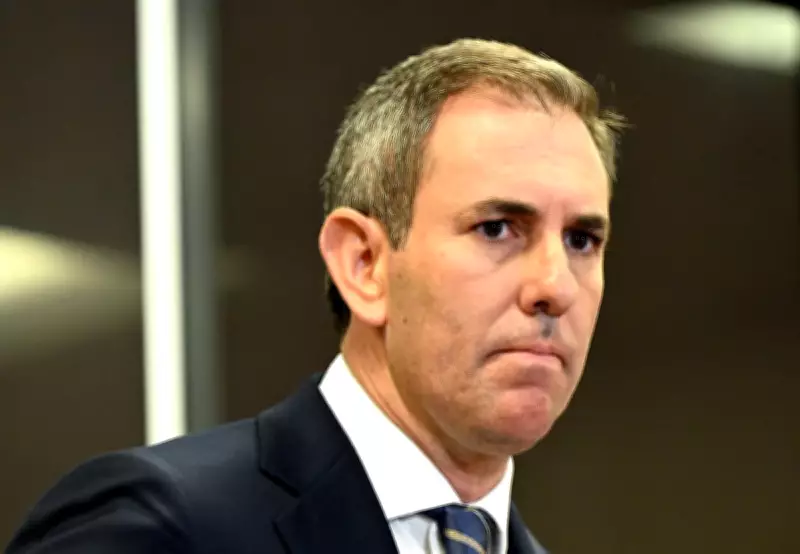
Australian Treasurer Grapples with Inflation Questions as Economic Outlook Shifts
The Australian treasurer, Jim Chalmers, had recently shifted focus towards a more forward-looking economic agenda aimed at boosting national productivity. However, he now finds himself confronting persistent questions about whether substantial government expenditure is contributing to ongoing inflation and escalating consumer prices.
Inflation's Threat to Labor's Second-Term Plans
The resurgence of inflation poses a significant risk to the Albanese government's second-term agenda, potentially driving more voters towards political fringes. As economic discontent grows within the electorate, an impending interest rate increase represents the last development needed in Australia's already tense political climate.
Cost of living pressures have consistently ranked as the primary concern for Australian households, and this issue now threatens to dominate the government's policy priorities. The return of high and rising inflation not only undermines workers who were anticipating genuine wage growth through 2025 but also risks further polarising the nation's fragile political discourse.

Consumer Confidence Wanes Amid Rate Hike Fears
Westpac's consumer confidence survey revealed increasing pessimism during January, which the bank attributed to renewed anxieties about potential interest rate increases. These concerns appear well-founded, with the Reserve Bank of Australia likely to implement a rate hike on Tuesday – marking the first such move since November 2023.
This development will deliver a substantial blow to heavily indebted mortgage holders, many of whom will simultaneously witness their electricity bills returning to previous levels as government power bill subsidies conclude.
Persistent Price Pressures Reshape Economic Debate
Consumer price growth has been climbing steadily for six consecutive months, currently standing at 3.8% – significantly higher than the 2.4% rate recorded leading into the last federal election. Discussions about the implications of these figures are extending well beyond household kitchen tables into broader political and economic forums.
While Treasurer Chalmers has acknowledged that some inflationary pressures are temporary – including holiday-related price increases and the phased conclusion of energy bill subsidies – he has also identified persistent price pressures within the Australian economy. These enduring factors, according to Chalmers, will substantially influence upcoming budget decisions and economic settings.
Government Spending Under Scrutiny
Chalmers had previously transitioned towards a more optimistic, forward-looking agenda centred on improving Australia's lagging productivity, exemplified by last year's economic reform roundtable. However, he now faces dual questioning about whether power bill subsidies require reinstatement and whether elevated government spending bears responsibility for rising prices.
The May budget was initially positioned as a launchpad for Labor's second-term policy agenda but now risks being commandeered by inflationary battles the government believed it had already resolved.
Political Landscape Grows Increasingly Fractured
The political stakes remain exceptionally high as economic grievance emerges as a driving force among ordinary citizens, both in Australia and across Western nations. The Scanlon Foundation's Mapping Social Cohesion report consistently identifies financial wellbeing as the single most crucial factor associated with social cohesion.
Recent polling data reveals concerning political shifts, with One Nation's primary vote climbing to a record 22% nationally and reaching 26% among 35-54 year-olds. With housing costs constituting a major component of consumer price measurements, opposition parties have been quick to attribute inflationary pressures to migration patterns, potentially setting the stage for increasingly contentious political debates.

As political researcher Tony Barry of Redbridge Group observed, while voters may not believe One Nation offers genuine solutions, they credit the party for at least acknowledging their economic grievances. In contemporary politics, when no party presents a plausible pathway to economic security, voters increasingly resort to identity-based politics and resentment-driven choices.
The Albanese government urgently requires an economic agenda that delivers both hope and security to Australian households. Achieving this objective becomes increasingly challenging while inflation remains elevated, placing Treasurer Chalmers in a delicate balancing act between fiscal responsibility and political necessity.





