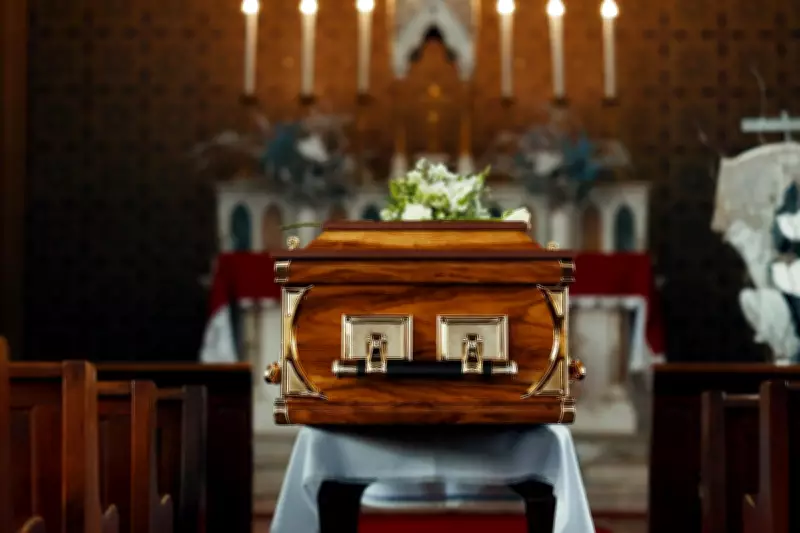
A recent academic survey has shed light on the complexities behind Americans' end-of-life choices, revealing that while nearly two-thirds opt for cremation, many do so not out of preference but due to financial or logistical constraints.
The Cremation Paradox
According to the survey, 72.6% of respondents said they would consider cremation, yet only 33.4% ranked it as their first choice. In contrast, casket burial was the top preference for 35.9%, but the actual cremation rate stands at 62%—nearly double the stated first-choice rate. This suggests that many Americans are defaulting to cremation because their preferred method is either unavailable or too expensive.
Exploring Alternative Disposition Methods
The survey, funded by the Cremation Association of North America and the Order of the Good Death, presented over 1,500 adults with six legal disposition methods: cremation, casket burial, green burial, donation to science, water cremation, and human composting. While cremation, burial, and donation are widely available, green burial, water cremation, and human composting face legal and commercial limitations.

Green burial, defined as burial without embalming in a biodegradable shroud or casket, is legal in all 50 states but offered by few cemeteries. Water cremation, or alkaline hydrolysis, reduces remains to powder in a pressurized chamber; it is legal in 28 states but not widely offered. Human composting, which turns remains into soil, is legal in 14 states but commercially available in only three.
Generational Differences
Baby boomers show the highest willingness to consider cremation (78.8%) and the lowest for casket burial (54.8%). However, 51.7% of Gen Z respondents ranked casket burial as their first choice, compared to just 27.1% of boomers. Only 55.9% of Gen Z would consider cremation, less than the current national cremation rate. This trend may align with Gen Z's reported social conservatism and religious affiliations, though many may not fully understand the costs or requirements of traditional burial, including embalming.
Unmet Demand for Greener Options
The survey reveals significant openness to alternative methods. Only 47.5% had heard of green burial, but after learning about it, 56.4% would consider it. Similarly, only 24% knew of water cremation, yet 39.3% were willing to consider it. Human composting was the first choice for nearly 6% of respondents, despite being available for only six years in a few states.
The findings indicate that the high cremation rate may be artificially inflated due to limited awareness, availability, and legal access to greener alternatives. As Tanya D. Marsh, professor of law at Wake Forest University, notes, the future of American death care is likely to involve unmet preferences, generational surprises, and a gradual rise of alternative methods as they become more accessible.