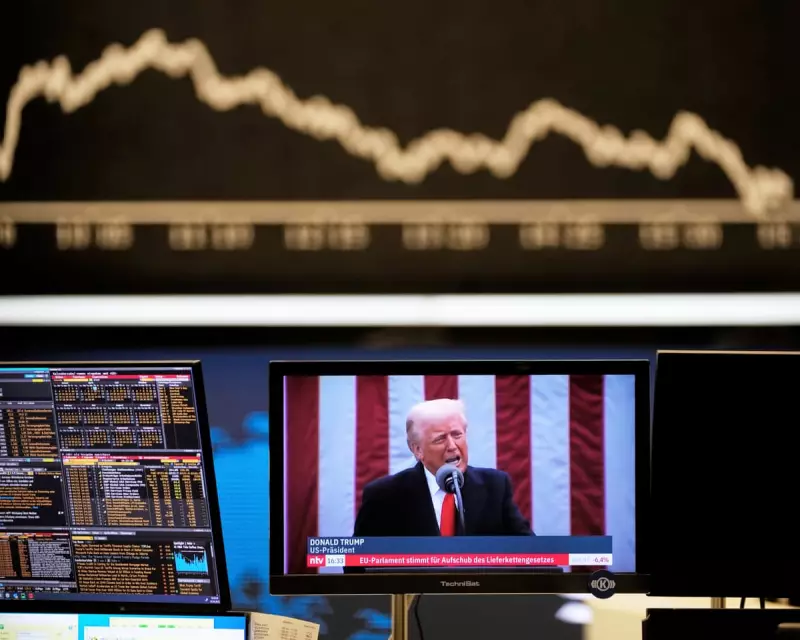
As the world turns the page on 2025, economists and policymakers are scrutinising the data to forecast the financial landscape for the year ahead. The global economic outlook for 2026 presents a complex picture, marked by persistent challenges and cautious optimism. Five pivotal charts, analysing data from the International Monetary Fund (IMF) and other major institutions, help to illuminate the key trends that will define the coming twelve months.
The Persistent Shadow of Inflation
The first chart underscores a central theme: inflation remains the dominant economic concern. While price rises have cooled from their recent peaks, the descent towards central bank targets has proven slower than many hoped. The data indicates that core inflation, which strips out volatile items like food and energy, is proving particularly sticky in major advanced economies.
This stubbornness suggests that the era of ultra-low interest rates is firmly in the past. The chart illustrates that even as headline rates fall, the underlying pressure from services inflation and wage growth continues to complicate the picture for monetary policymakers. Consumers, especially in the UK and Europe, are likely to feel the pinch on their purchasing power for some time yet.

The Interest Rate Trajectory and Growth Trade-Off
A second critical chart maps the projected path of interest rates against economic growth forecasts. It reveals a delicate balancing act for central banks, including the Bank of England and the US Federal Reserve. The consensus points towards a gradual, and potentially paused, easing cycle starting in 2026, but the timing and pace remain highly data-dependent.
This cautious approach is directly linked to the inflation data. Policymakers are wary of cutting rates too soon and reigniting price pressures. Consequently, the chart shows a clear trade-off: higher-for-longer interest rates are expected to continue constraining economic growth. Global GDP expansion is forecast to remain modest, hovering below historical averages, as tighter financial conditions dampen investment and consumer spending.
Diverging Fortunes Across Regions
The third chart provides a crucial geographical breakdown, highlighting significant regional disparities. The United States is projected to show relative resilience, with its economy supported by strong domestic demand. In contrast, the eurozone and the UK face stronger headwinds, with growth forecasts revised downwards due to lingering cost-of-living impacts and weaker external demand.
Emerging markets present a mixed bag. Some larger economies are charting a steadier course, but many remain vulnerable to shifts in global capital flows and commodity price volatility. China's economic rebalancing continues to be a major wildcard, with its performance heavily influencing global trade dynamics and commodity markets worldwide.
Labour Markets and Debt: The Underlying Pressures
Two final charts delve into structural pressures. One focuses on labour markets, which have stayed surprisingly tight despite economic cooling. Unemployment rates in many developed nations remain near historic lows, supporting wages but also contributing to persistent services inflation. This tension between a strong job market and the fight against rising prices is a key dilemma for 2026.
The other highlights the towering levels of public and private debt. High borrowing costs are increasing debt-servicing burdens for governments, corporations, and households alike. This chart signals a major risk: a sharper-than-expected economic slowdown could trigger financial stress, particularly in sectors and countries that accumulated significant debt during the low-rate era.
In summary, the five charts collectively sketch an economic outlook for 2026 defined by transition and uncertainty. The battle against inflation is entering a new, more nuanced phase, forcing central banks to maintain a restrictive stance that will limit growth. Regional divergences will be pronounced, and underlying vulnerabilities from debt and labour market imbalances pose ongoing risks. For businesses, investors, and households, navigating the year ahead will require careful attention to these evolving data trends and a preparedness for continued volatility.