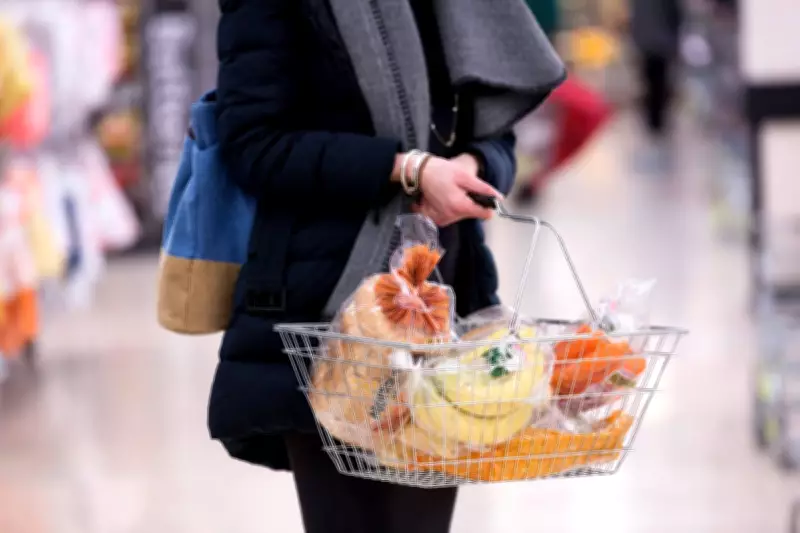
Grocery price inflation has fallen to its lowest level in a year, despite warnings that the Middle East conflict has not yet fully impacted supermarket shelves. According to Worldpanel by Numerator, grocery prices remain 3.8% higher than last April, a decrease from the 4.3% recorded in March.
Shoppers turn to deals
Households are increasingly seeking out special offers due to concerns over rising prices. Spending on promoted items surged by 7.8% year on year during the four weeks to April 19, while expenditure on full-price goods declined by 0.2%. Fraser McKevitt, head of retail and consumer insight at Worldpanel, noted: “Concerns about the impact of the Middle East conflict on prices of everyday goods are front of mind for British households. Already feeling the squeeze at the petrol pump, shoppers are responding by turning to special offers in growing numbers when buying groceries.”
Easter spending holds firm
Despite these concerns, Easter spending remained robust. Almost 9% of households purchased a fresh lamb joint during the week leading up to Easter Sunday on April 5. Sales in the four weeks to Easter surged by 14.9% compared with the same period last year. Hot cross bun sales rose by 14%, with traditional flavors accounting for just over half of all sales. Additionally, cleaning product sales increased by 8% year on year over the month.

McKevitt commented: “Easter is always an important indicator of consumer mood and shoppers did not hold back on the traditional staples this year. However, with the conflict in the Middle East continuing to fuel concerns about price increases, the promotional data suggests that shoppers are already looking for ways to keep grocery bills down.”
Retailer performance
Ocado and Lidl were the fastest-growing retailers during the period. Lidl achieved a new record market share of 8.4%, up from 8% a year ago, driven by sales growth of 8.8% and an additional half a million shoppers—more than any other retailer. Tesco and Sainsbury’s also saw sales rise, with increases of 4.3% and 4.5%, respectively.