A fresh academic perspective is challenging long-held beliefs about the roots of Britain's industrial might, specifically the global dominance once held by Lancashire's textile mills. The conventional story, often told in UK museums and history books, credits technological innovation and free-market competition for this supremacy. However, a crucial and darker chapter involving British military and naval power is frequently omitted.
The Overlooked Force Behind Industrial Supremacy
In a recent review for The Guardian, Dorian Lynskey discussed Sven Beckert's book, Capitalism: A Global History. While expressing some caution, Lynskey acknowledged that Beckert's work provides a vital antidote to Eurocentric views of industrialisation. The central argument highlighted is that Britain's 19th-century textile pre-eminence was not achieved through machinery and competition alone.
Beckert's analysis insists that a key factor was the deliberate destruction of the previously dominant Bengali textile industry. This was accomplished not by superior products or business acumen, but through the application of British military and naval force. This intervention cleared the global market, allowing Lancashire producers to capture and control trade routes and demand that had once been served by Indian weavers.

A Local Voice from Lancashire
The argument finds a vocal supporter in Mary Searle-Chatterjee from Halton, Lancashire. In a letter to the editor, she directly echoes Beckert's critique, stating it is "still common in the UK to find museums and books" that ignore this pivotal use of state power. Her correspondence underscores that this revised history is not just an academic concern but resonates locally, in the very region that was the beneficiary of these global shifts.
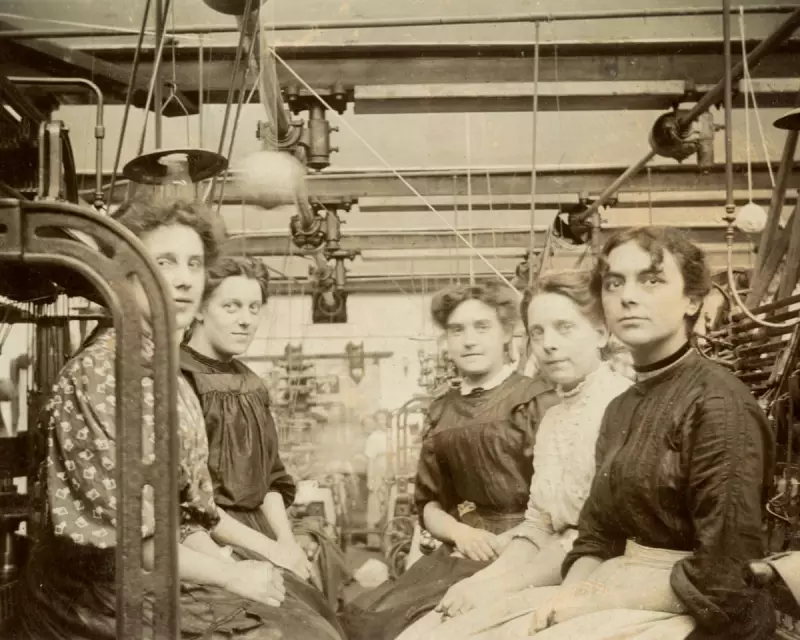
The discussion is framed by a poignant photograph from 1911, showing mill workers in Rochdale, Lancashire. This image serves as a reminder of the human dimension of this vast economic transformation, one built on complex foundations of innovation, labour, and imperial power.
Broader Conversations in the Letters Page
The debate on historical narrative appeared alongside other diverse reader contributions. These included a call from Barbara Bain in London for The Guardian to use the degree symbol (18°C) for clarity in temperature reporting, aligning with the International System of Units.
Other letters touched on historical quirks, such as Roger Dennis's note that 5 September 1752 did not exist in Great Britain due to the calendar switch from Julian to Gregorian. David Ranner recalled a whimsically amended Lincolnshire road sign, while Caroline Ewans of London expressed her irritation with the "faux Cyrillic" in the Toys "Я" Us logo, insisting on pronouncing it "Toys Ya Us".
Together, these letters paint a picture of a readership engaged with issues ranging from global economic history to linguistic precision and everyday curiosities, all contributing to the newspaper's ongoing dialogue with its audience.