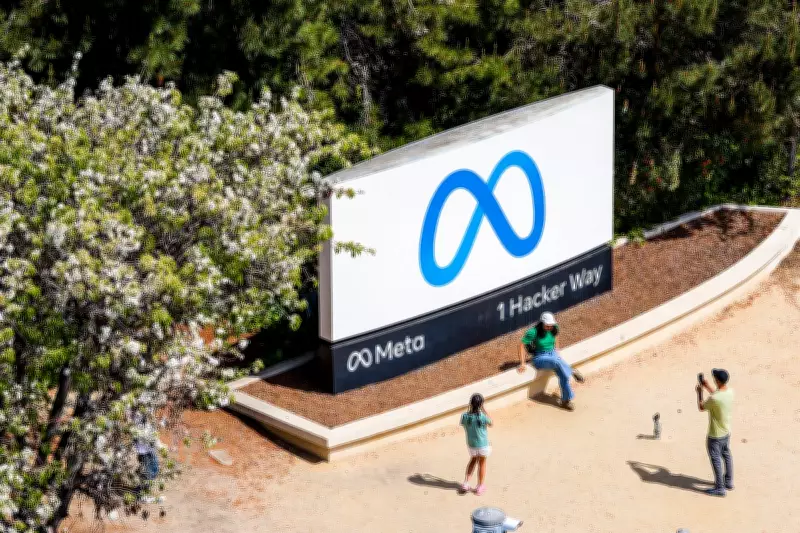
Meta Platforms Inc. reported first-quarter results on Wednesday that surpassed Wall Street expectations, fueled by robust revenue growth and a surge in earnings. However, the social media giant's shares slipped in after-hours trading after it raised its capital expenditure forecast for 2026.
Strong Financial Performance
For the January-March period, Meta posted net income of $26.77 billion, or $10.44 per share, a 61% increase from $16.64 billion, or $6.43 per share, in the same quarter last year. Revenue rose 33% year over year to $56.31 billion. Analysts surveyed by FactSet Research had anticipated earnings of $6.67 per share on revenue of $55.6 billion.
“We had a milestone quarter with strong momentum across our apps and the release of our first model from Meta Superintelligence Labs,” CEO Mark Zuckerberg said in a statement. “We’re on track to deliver personal superintelligence to billions of people.”

Revenue Outlook and Capital Spending
Meta expects second-quarter revenue to fall between $58 billion and $61 billion, compared with the average analyst estimate of $59.48 billion. The company also updated its projected capital expenditures for the full year to a range of $125 billion to $145 billion, up from the previously announced range of $115 billion to $135 billion. Meta attributed the increase to expectations of higher component pricing and, to a lesser extent, additional data center costs.
When Meta initially outlined its 2026 spending forecast at the end of last year, it emphasized that the year-over-year growth was driven by increased investment to support Meta Superintelligence Labs. Since then, the company has announced layoffs of approximately 10% of its workforce, or about 8,000 employees, as it continues to ramp up spending on artificial intelligence infrastructure and highly paid AI-expert hires.
Workforce and Stock Performance
As of the end of March, Meta employed nearly 78,000 workers, a 1% increase compared with the same period last year. Despite the strong quarterly results, Meta's stock price fell more than 6% in extended trading following the earnings release, likely reflecting investor concerns over the elevated capital expenditure forecast.