Minneapolis Economy Paralyzed by Federal Immigration Crackdown
Businesses across Minneapolis are facing severe economic hardship as President Donald Trump's administration conducts extensive immigration enforcement operations in the city. The federal sweep, involving over 2,000 immigration officers, has created an atmosphere of fear that is keeping both employees and customers away from commercial establishments, leading to dramatic sales declines and temporary closures.
Restaurants and Retail Bear Immediate Brunt
At Taste of East African restaurant in Minneapolis, manager Hibaq Nimale reports that only she and the owner now come to work, with their usual Somali customer base dropping from approximately 80% to just 10%. "Even if you tell ICE you're a citizen they won't listen, so everyone is scared," said Nimale, a U.S. citizen raised in Kenya as a refugee from Somalia. The restaurant now relies on unfamiliar customers trying to support the business, but service has slowed dramatically due to staffing shortages.
Similar patterns are emerging across the city, with countless stores temporarily closing, canceling events, or reducing operating hours. Delivery services have been disrupted as gig workers refuse to accept orders in affected areas. The Minneapolis Federal Reserve noted in a January report that businesses were experiencing "dampened sales and slower foot traffic out of fear of immigration enforcement."

Economic Impact Quantified in Legal Challenge
The state of Minnesota and Twin Cities authorities have filed a lawsuit citing devastating economic impacts, with some businesses reporting sales drops of up to 80%. Nearly 20% of surveyed businesses reported lower employment levels due to immigration enforcement concerns. Adam Duininck, CEO of the Minneapolis Downtown Improvement District, observed: "I'm seeing it impact everybody, just because of the lower levels of people traveling and spending discretionary income."
Even professional service firms are feeling the effects. Fred Haberman, co-founder and CEO of a Minneapolis marketing firm, noted disruptions to "support systems" like schools and daycare programs that employees rely on to maintain regular work schedules. "Many of these businesses don't have huge margins to play around with," Haberman warned, expressing concern that the city's economic landscape could be permanently altered without swift federal policy changes.
Hospitality Sector Faces Impossible Choices
Major hotel chains including Hilton and IHG InterContinental are navigating difficult decisions between economic viability and safety concerns. At least three Twin Cities hotels believed to house immigration officers were not accepting reservations, with the Hilton DoubleTree and IHG InterContinental in downtown St. Paul displaying signs stating they were "temporarily closed for business until further notice."
The Hilton Canopy in Minneapolis, site of noisy anti-ICE protests aimed at preventing federal officers from sleeping, remained open but was not accepting new reservations. Duininck noted that hotels staying open have reported fewer reservations and more cancellations than usual, while balancing concerns about profiling of non-white employees and potential retaliation from either protesters or federal authorities.
Protest Strategy Leverages Economic Pressure
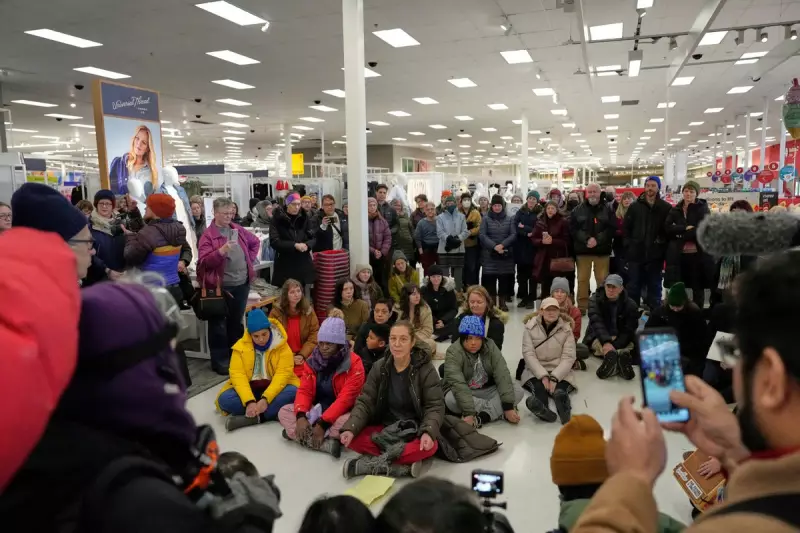
Faith leaders, labor unions, and activists are organizing economic protests, calling for Twin Cities residents to refrain from working, shopping, or attending school on Friday to demand immediate cessation of ICE actions. This follows earlier boycotts targeting Minneapolis-based Target Corporation after the retailer announced it would phase out diversity initiatives following Trump's push against DEI policies.
Approximately 100 clergy recently protested at Target's downtown Minneapolis headquarters, demanding stronger opposition to federal law enforcement activity. Demonstrators have appeared at Target locations in St. Paul carrying signs calling for ICE abolition and accusing the retailer of allowing federal operations on its properties.

Legal Protections and Uncertain Future
According to John Medeiros of Minneapolis law firm Nilan Johnson Lewis, immigration enforcement officers can legally enter public areas of businesses including dining areas, parking lots, and store aisles to question people, seize information, or make arrests. However, workers and patrons can decline to speak with officers, refuse consent to searches, or request an attorney.
ICE requires employer permission or a judicial warrant to enter private business spaces like back offices. Immigration attorneys have raised concerns about ICE entering private areas without proper warrants and detaining people unlawfully. Medeiros encourages recording encounters with federal agents and educating workers about their rights.
While some businesses like Taste of East African have received temporary support from non-immigrant neighbors, manager Hibaq Nimale worries about sustainability: "We don't know how long we can get support." The Department of Homeland Security, when asked about economic concerns, pointed to protests and "sanctuary policies" that prevent cooperation with local law enforcement.
The economic uncertainty continues as Minneapolis businesses navigate between federal enforcement actions, protest pressures, and a customer base paralyzed by fear, with no clear resolution in sight for the struggling commercial sector.