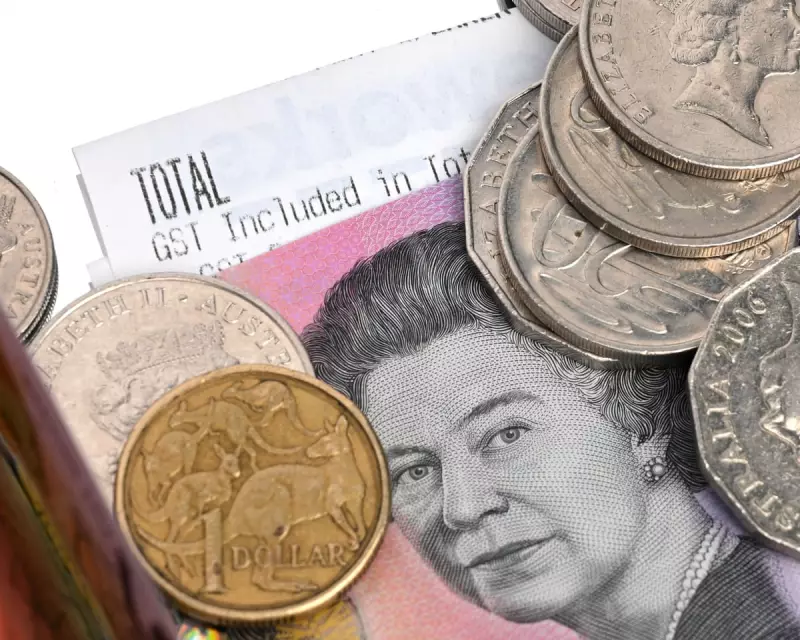
The Organisation for Economic Co-operation and Development has issued a stark call to the Australian government, urging significant reforms to bolster the nation's fiscal health and social infrastructure. In its annual economic survey, the Paris-based body highlighted the need for Australia to broaden the Goods and Services Tax and consider raising its rate beyond the current 10% threshold.
Tax Reforms to Stimulate Economic Growth
According to the OECD, these tax adjustments should be implemented with the proceeds directed towards reducing Australia's heavy reliance on personal income tax. The organisation estimates that such a reform could expand the economy by approximately 1.6% over the next decade, providing a much-needed boost to productivity and financial stability.
Addressing Housing Affordability and Supply
The report also casts a critical eye on Australia's housing market, which has become increasingly unaffordable for many citizens. The OECD advocates for enhanced federal and state-level initiatives to increase home supply by easing land restrictions and promoting higher density developments.

Housing shortages are cited as a primary cause of overcrowding, financial strain, and reduced labour mobility, exacerbating issues of intergenerational equity and urban congestion. To combat this, the OECD recommends replacing state-based property stamp duties with a more efficient land tax, raising targets for social housing, and increasing public funding.
Currently, social housing accounts for only about 4% of Australia's housing stock, a decline from 6% in 1990 and roughly half the OECD average. This shortfall underscores the urgency of the proposed measures.
Climate Action and Emissions Reduction
On the environmental front, the OECD acknowledges that Australia is broadly on track to meet its 2030 emissions reduction goals. However, the report stresses that further efforts are necessary to tackle transport emissions, integrate a higher share of renewables, and address agricultural emissions.
The organisation notes that Australia has historically been an international laggard in climate action, with among the highest per capita carbon emissions globally and some of the lowest implicit carbon prices. In recent years, though, there has been relatively rapid progress in the energy transition, with a growing adoption of climate policy instruments across most sectors.
To accelerate this progress, the OECD suggests a gradual increase in petrol taxes, which are currently well below European levels. This move is seen as crucial to encouraging the uptake of low-emission vehicles and reducing overall carbon footprints.
Economic Normalisation and Future Projections
The survey, led by former Liberal senator Mathias Cormann, indicates that Australia's economy is now normalising after a prolonged period of weak growth following the pandemic. Interest rate cuts and a rebound in households' real disposable incomes are expected to drive average economic growth to a little more than 2% in the coming years.
Despite this positive outlook, the OECD warns that longstanding challenges such as slower productivity growth, high housing costs, and elevated carbon emissions must be addressed to ensure sustainable development.
Fiscal Sustainability and Budgetary Concerns
With the Albanese government preparing for its fifth federal budget in May, the OECD emphasises the need for expenditure restraint and revenue-enhancing tax reforms to place the budget on a more sustainable footing. The December mid-year budget update confirmed that Australia's finances are projected to remain in deficit over the next decade, highlighting the urgency of these recommendations.
By implementing these measures, Australia can not only improve its economic resilience but also enhance social equity and environmental stewardship, aligning with global best practices as advocated by the OECD.