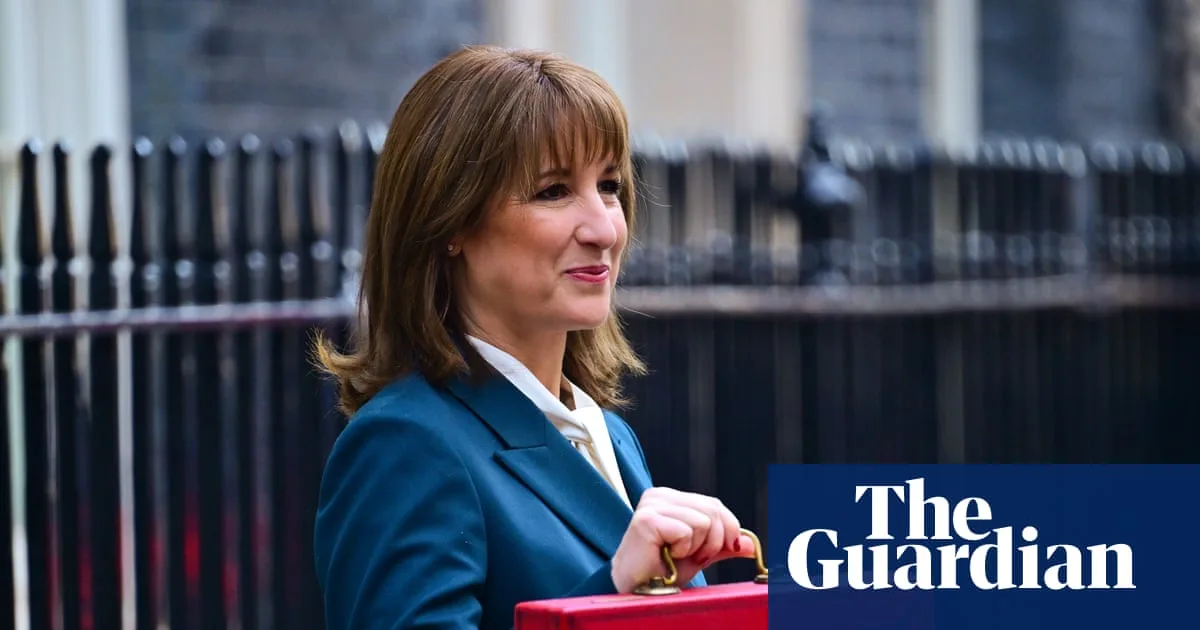
Chancellor Rachel Reeves delivered her Budget on Wednesday, overshadowed by an accidental early publication of the Office for Budget Responsibility's (OBR) assessment. Shadow chancellor Mel Stride called the leak “outrageous”, while Reeves described it as “deeply disappointing” and a “serious error”.
Reeves emphasised rebuilding the economy, citing trade deals with the US, India, and the EU, planning reforms, and a visa overhaul. She reiterated the £22bn “black hole” left by the Conservatives, claiming tax rises on the wealthiest had closed the gap and funded the NHS. She stated: “Working people demanded and deserved change. I said there would be no return to austerity and I meant it.”
Income tax and national insurance thresholds will be frozen for another three years from 2028, continuing a previous freeze. This stealth tax will drag more people into higher bands. However, headline rates of income tax, VAT, and national insurance remain unchanged, fulfilling Labour's manifesto pledge not to raise taxes on working people.

From April 2028, a high-value council tax surcharge, dubbed the “mansion tax”, will apply: £2,500 a year for properties over £2m, rising to £7,500 for those over £5m. From April 2029, a £2,000 cap will be placed on pension contributions shielded from national insurance via salary sacrifice, raising an estimated £4.7bn.
The annual Isa cash limit will drop from £20,000 to £12,000 from April 2027, with a consultation on a new first-time buyer Isa product. Reeves also increased basic and higher rates of tax on property, dividend, and savings income by two percentage points each.