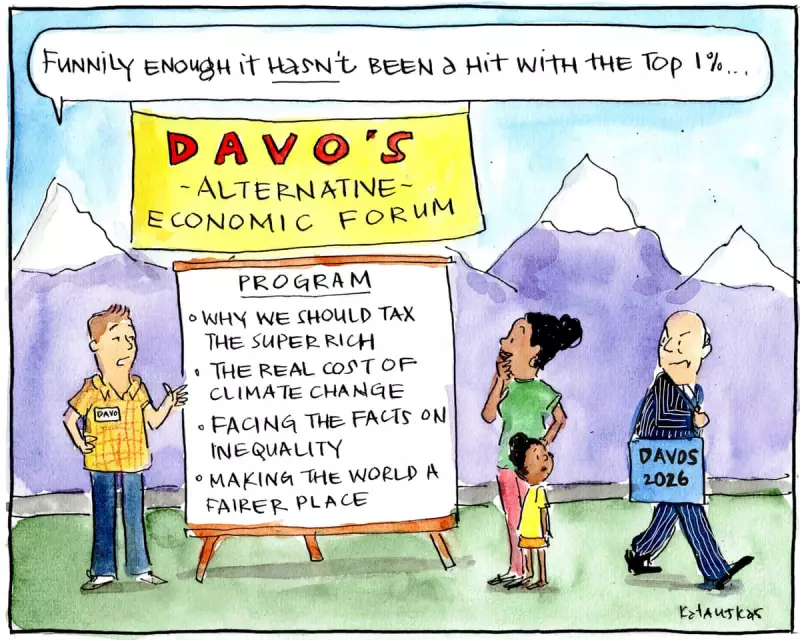
Redefining Economic Forums: A Call for Inclusive and Accessible Dialogue
In an era marked by economic uncertainty and growing public scepticism towards elite institutions, there is a pressing need to reimagine what an economic forum should represent. Traditional gatherings, often held behind closed doors and dominated by corporate leaders and policymakers, have increasingly been criticised for their lack of transparency and accessibility. This has led to a disconnect between economic decision-making and the everyday realities faced by citizens across the UK and beyond.
The Limitations of Conventional Forums
Historically, economic forums have served as exclusive platforms where influential figures discuss global trends, trade policies, and market strategies. While these discussions can yield valuable insights, they often fail to incorporate diverse perspectives from grassroots communities, small business owners, and marginalised groups. This top-down approach risks perpetuating inequalities and overlooking innovative solutions that emerge from the ground up.
Moreover, the opaqueness of such events can fuel public distrust, as decisions made in these settings may seem detached from the concerns of ordinary people. In a democratic society, fostering economic resilience requires mechanisms that are not only effective but also perceived as fair and inclusive by the broader population.

Envisioning a Forum for All
So, what would an economic forum that we can all get behind look like? Firstly, it must prioritise public engagement by leveraging digital technologies to host open debates, webinars, and interactive sessions accessible to a wide audience. This could involve live-streaming key discussions, encouraging real-time questions from online participants, and publishing summaries of outcomes in plain language.
Secondly, transparency should be at its core, with clear agendas, disclosed funding sources, and opportunities for independent oversight. By demystifying the processes behind economic policymaking, such a forum can build credibility and encourage broader societal buy-in.
Thirdly, inclusivity must extend beyond mere representation to actively amplify voices from underrepresented sectors, such as:
- Local entrepreneurs and startups driving innovation
- Workers in gig economy and precarious employment
- Environmental advocates pushing for sustainable practices
- Community leaders addressing regional disparities
Practical Steps Forward
To translate this vision into reality, stakeholders could collaborate on pilot initiatives that blend physical and virtual components. For instance, regional hubs could host in-person workshops while connecting to a central digital platform, ensuring that geographical barriers do not limit participation. Additionally, incorporating elements of citizen assemblies or deliberative polling could provide structured ways for public input to shape economic agendas.
Ultimately, an economic forum that garners widespread support must evolve from a closed-door symposium into a dynamic, participatory ecosystem. By embracing openness and diversity, it can better address complex challenges like inflation, trade disruptions, and technological shifts, while reinforcing democratic values in economic governance.