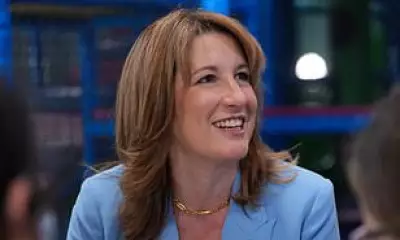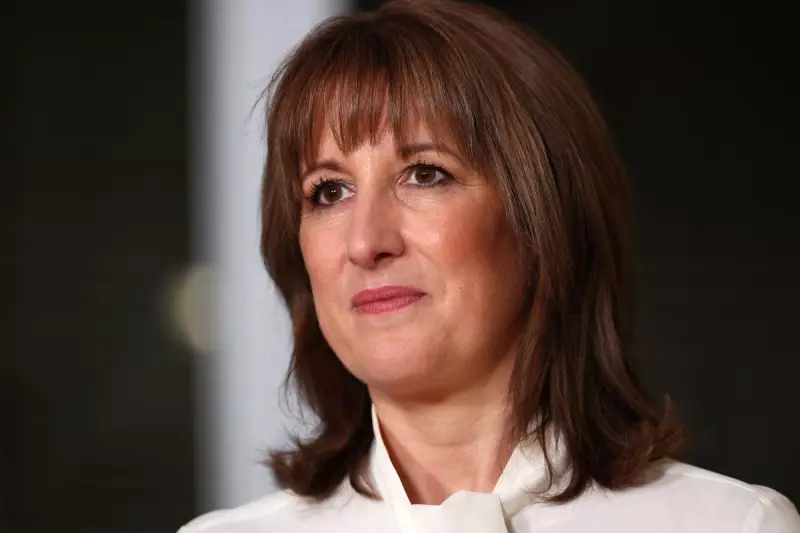
Chancellor of the Exchequer Rachel Reeves has staunchly defended her recent Budget decisions, labelling them as 'fair and necessary' while asserting that the economic burden should fall more heavily on the wealthy.
A Defence of Fiscal Choices
In a detailed interview with The Guardian, the Chancellor elaborated on her rationale, stating she had made conscious choices to increase taxes and channel funds into improving public infrastructure. She emphasised that she had 'chosen to protect public spending' and was unwilling to implement cuts to public services, a move she argued the electorate voted against in the general election.
The political debate intensified significantly after the Office for Budget Responsibility (OBR) revealed on Friday that it had informed the Treasury as early as September 17 that a potential fiscal gap was likely smaller than initial warnings suggested. Some projections had indicated a shortfall of up to £20 billion in meeting the Chancellor's self-imposed rule against borrowing for day-to-day expenditure.

The OBR Timeline and Political Fallout
Dame Meg Hillier, the Labour chairwoman of the Treasury Select Committee, requested a timeline from the OBR, which was subsequently published. The watchdog's first fiscal forecast, received by officials on September 17, suggested the black hole was only £2.5 billion. Its final forecast on October 31 then indicated the gap had been eliminated entirely, showing a £4.2 billion net positive above the Chancellor's spending plans.
Despite this improving picture in late October, Ms Reeves had set the scene for the Budget with a Downing Street speech on November 4, suggesting tax rises were necessary. The OBR's letter clarified that 'no changes were made to our pre-measures forecast after October 31', raising questions about the Chancellor's continued warnings of difficult decisions.
Conservative leader Kemi Badenoch accused Ms Reeves of having 'lied to the public' and called for her to be sacked. Downing Street, however, rejected this, with the Prime Minister's official spokesman defending the Chancellor's clear communication of the challenges facing the country.
Budget Details and a Security Scare
In the eventual Budget delivered on Wednesday, Ms Reeves implemented tax hikes totalling £26 billion, primarily through freezing income tax thresholds. These measures were a response to downgraded economic forecasts and increased welfare spending, partly due to the abolition of the two-child benefit cap.
Ms Reeves strongly rebutted claims that working-age people were bearing the bulk of the economic burden. 'It's quite clear that the economic burden in the budget was not about age. It was about wealth,' she stated, adding that those with 'big incomes and assets' would contribute more.
The Chancellor also addressed the premature leak of the OBR's Economic and Fiscal Outlook, which was published over half an hour before her Commons statement. She described it as 'a bit of a scary moment', concerned it would disrupt the narrative of her Budget. OBR chairman Richard Hughes has since launched an investigation involving a cybersecurity expert and stated he would resign if the Chancellor and the Treasury Committee lost confidence in him.