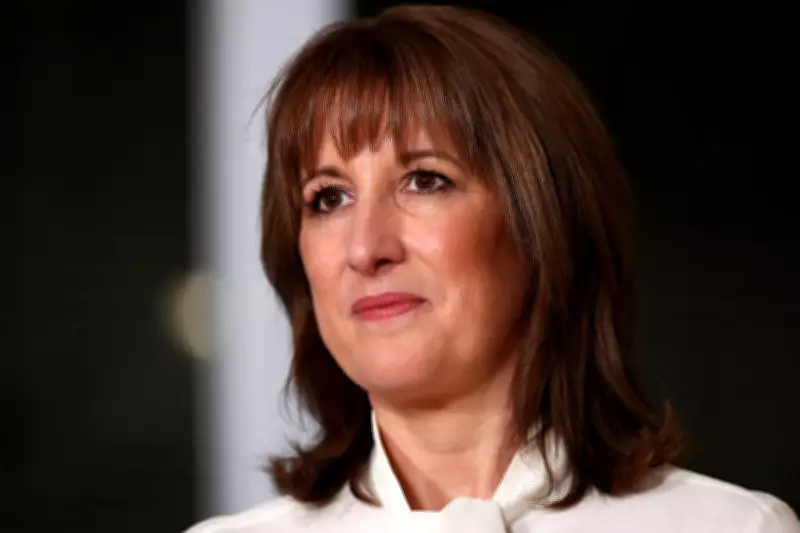
Boost for Chancellor Reeves as Government Borrowing Declines
Chancellor Rachel Reeves has received a welcome piece of economic news, with official figures revealing a notable reduction in government borrowing during the first complete year of the Labour administration. However, this positive development is overshadowed by mounting concerns that the ongoing war in Iran will severely impact public finances in the coming months.
Fiscal Improvement Amidst Growing Anxiety
In the financial year ending March 2026, the government recorded a deficit of £132 billion. This figure represents the shortfall between public expenditure and tax revenue collected. Significantly, this amount is £20 billion lower than the previous year's borrowing of £151.9 billion and also falls slightly below the Office for National Statistics' forecast of £132.7 billion.
The reduction was partly driven by stronger-than-anticipated receipts from income tax and VAT, providing a temporary fiscal cushion. Nevertheless, City economists are sounding alarms that the conflict in Iran is poised to reverse this trend dramatically, potentially decimating the chancellor's financial flexibility and exacerbating inflationary pressures.

Expert Warnings on Economic Headwinds
Thomas Pugh, chief economist at RSM UK, commented: "The good news for the chancellor is that full year borrowing for 2025/26 came in at £132 billion, down from £151.9 billion in the previous financial year, and in line with the latest OBR forecast. The bad news is that the war in Iran means the situation will deteriorate sharply over the rest of this year. That will limit her ability to offer households and businesses a significant bailout if energy prices move higher."
Adding to the fiscal landscape, inheritance tax revenues reached a new peak of £8.5 billion for the year. Rachael Griffin, a tax expert at Quilter, noted: "Today’s figures rounding off the tax year show the government is continuing to lean heavily on stealth taxes to support the public finances. While the strength of receipts will offer some short‑term reassurance for the Chancellor, it comes at a time when household finances are under renewed pressure from another period of higher inflation following the start of the war in Iran."
Projected Borrowing Overshoots Loom Large
The energy price shock triggered by the Iran conflict is expected to cause government borrowing to exceed forecasts substantially in the near future. Analysis from Capital Economics indicates that while March's figures showed an unexpected undershoot of the Office for Budget Responsibility's forecast for public borrowing in 2025/26, this improvement is unlikely to persist.
In a client note, the firm stated: "We do not expect this improvement to last long. We think the energy price shock will mean that borrowing overshoots the OBR’s forecast by a huge £29 billion for the 2026/27 fiscal year and by about £13 billion in subsequent years."
This projection underscores the precarious balance facing Chancellor Reeves, as the initial borrowing success is threatened by external geopolitical events that could strain both public finances and household budgets alike.