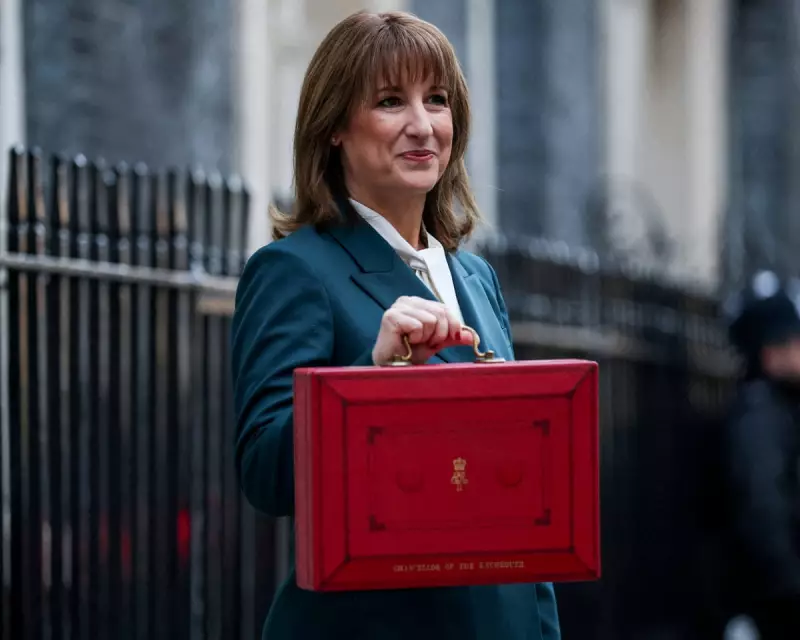
Chancellor Rachel Reeves has moved to quell economic uncertainty by scheduling an early spring statement for 3 March, tasking the Office for Budget Responsibility (OBR) with preparing fresh forecasts for the UK's economy and public finances.
A Bid for Stability After Autumn Turbulence
The Treasury announced the date, stating the move prioritises "stability and certainty" for families and businesses. This decision follows severe criticism of the protracted speculation and leaks in the run-up to November's autumn budget, which business leaders blamed for damaging economic confidence.
Economists argue the chancellor was left vulnerable after the November budget, having entered it with limited fiscal headroom against her own rules. This uncertainty contributed to a sell-off in UK government bonds, raising borrowing costs, and led many companies to freeze investment and hiring plans.

Economic Impact of Budget Speculation
The period of intense tax speculation preceding the November event coincided with a measurable economic downturn. Official figures showed the UK economy unexpectedly shrank in October, with the Bank of England forecasting near-zero growth for the final quarter of the year.
Major business groups issued warnings of a sharp fall in private sector activity at the turn of the year, directly linking the hesitation to the lack of clarity from Westminster. Consumer spending also took a hit as households awaited the chancellor's decisions.
Doubling Down on Fiscal Safeguards
In her November budget, Chancellor Reeves acted to bolster her position against future economic shocks. She announced she would more than double her fiscal headroom to £22 billion, a buffer designed to guard against unforeseen events that could force fresh spending cuts or tax rises.
At that time, it was also confirmed the OBR would not perform a full assessment against the government's fiscal mandate in March, but would instead provide an interim update. The Treasury has now stated the government will respond to this OBR forecast with a statement to Parliament, honouring a commitment to hold one major fiscal event per year.
OBR in Transition Amid Leak Inquiries
The spring forecast will likely be published before a permanent replacement is found for Richard Hughes, who resigned as OBR chair. His departure followed the premature online publication of November's budget documents almost an hour before the chancellor's speech.
Both the Treasury and the OBR are conducting separate leak inquiries following a series of briefings and gaffes that marred the last budget process. The early March date for the spring statement is seen as part of an effort to draw a line under a chaotic period and refocus on the government's core economic mission.