Chancellor Warns of Inflation Spike as Middle East Conflict Escalates
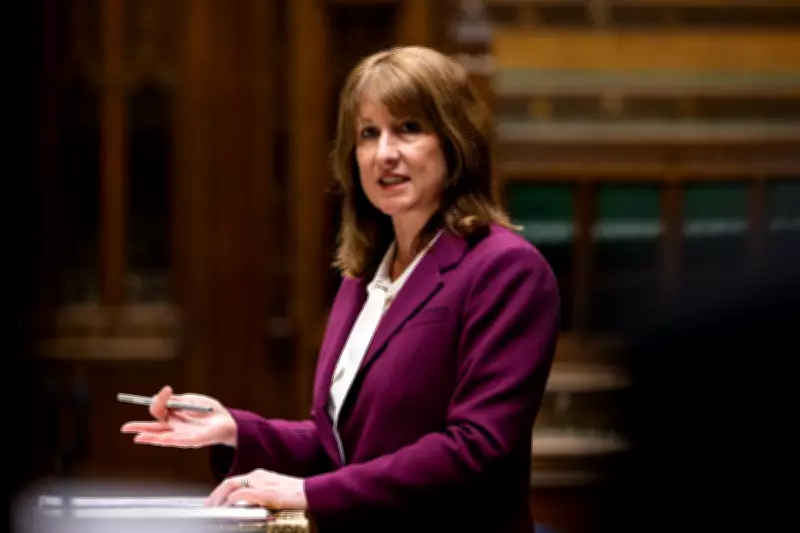
Chancellor Rachel Reeves has declared she is prepared to support a coordinated international release of oil reserves to mitigate the economic shockwaves from the escalating US-Iran conflict. In a stark warning to Parliament, Reeves cautioned that the war is likely to exert upward pressure on inflation in the coming months, potentially triggering another cost-of-living crisis in the UK.
The price of oil has surged dramatically, surpassing $100 per barrel for the first time since 2022, following airstrikes launched by the United States and Israel against Iran ten days ago. This military action has ignited widespread regional instability, with dark smoke reportedly filling the skies over Tehran after Israeli strikes targeted oil facilities.
Economic Fallout and Government Response
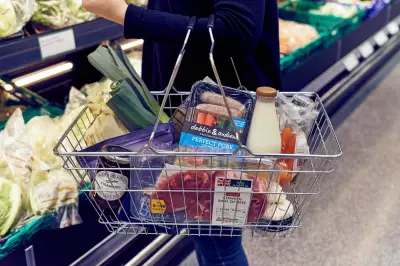
Addressing the Commons on Monday, Chancellor Reeves emphasized the direct link between the conflict's severity and duration and its economic impact. "The movements that we have already seen are likely to put upward pressure on inflation in the coming months," she stated, highlighting the vulnerability of UK households to soaring fuel prices.

Reeves confirmed she "stands ready" to back a coordinated release of reserves held by the International Energy Agency, following discussions with G7 finance ministers. She asserted that every step taken since the election has been aimed at building national resilience, including stability in public finances and investments in defence and energy security infrastructure.
Broader Economic Forecasts and Warnings
The British Chambers of Commerce has revised its economic outlook, warning that inflation will remain higher than previously expected throughout 2026 due to the conflict. The BCC now predicts the UK Consumer Prices Index inflation will be at 2.7% by year's end, up from an earlier forecast of 2.1%, primarily driven by elevated oil and gas prices.
David Bharier, head of research at the BCC, noted that the UK economy remains stuck in a low-growth pattern, with just 1% growth forecast for 2026. He cautioned that higher energy prices linked to the Middle East turmoil could keep inflation firmly above the Bank of England's 2% target, potentially delaying interest rate cuts.
Furthermore, economists anticipate UK unemployment could rise to 5.5% this year, up from the current 5.2%, citing persistent high labour costs and hiring uncertainty exacerbated by the geopolitical situation.
International Reactions and Market Speculation
In response to the crisis, US President Donald Trump has insisted that a surge in fuel costs is a "small price to pay" for national security. He announced the waiving of certain oil-related sanctions to ensure adequate supply and lower prices, although specifics remain unclear. Trump also vowed to protect oil shipping through the Strait of Hormuz, threatening severe retaliation if Iran attempts to disrupt global oil supplies.
The volatility has sparked significant speculation in prediction markets, with almost $15 million wagered on platforms like Polymarket regarding the price of crude oil by the end of March. This activity has drawn criticism for profiting from a crisis with a rising death toll across the Gulf region.
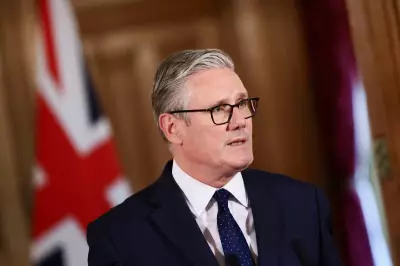
Domestically, AA president Edmund King has urged drivers to cut out "non-essential journeys" to cope with rising fuel costs, while Prime Minister Sir Keir Starmer warned that the prolonged conflict with Iran increases the likelihood of negative impacts on the UK economy.
The situation underscores ongoing concerns about the UK's energy security and its reliance on fossil fuels, with questions raised about why renewable sources are not better shielding the country from such price shocks amidst global instability.