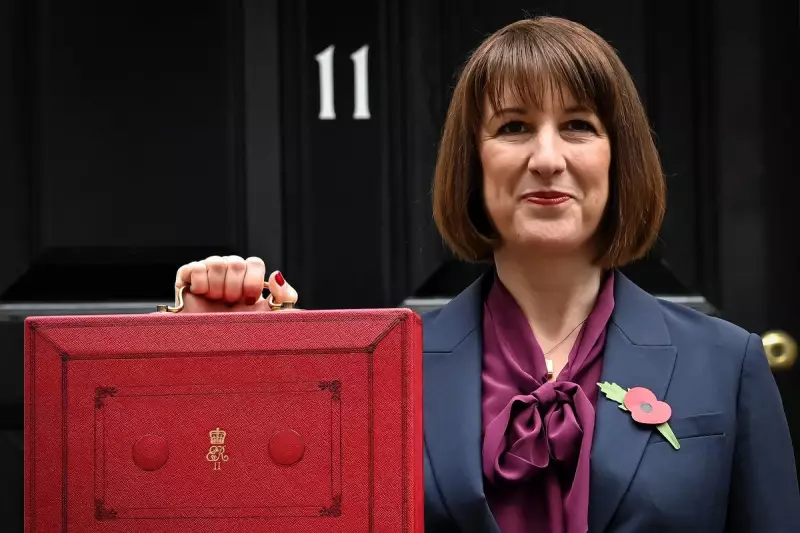
After weeks of intense speculation and mixed messages, Chancellor Rachel Reeves is finally set to deliver her second Budget this Wednesday. The country awaits the details with bated breath, with few expecting to feel better off once the announcements are made.
The Long Road to Wednesday's Announcement
The protracted run-up to this Budget has been marked by what many see as damaging confusion. A flurry of potential tax-raising measures were floated, only to be subsequently dropped. The most notable and disruptive of these was a proposed rise in the basic rate of income tax, which was ultimately rejected.
This period of fevered speculation has unsettled financial markets and caused businesses and individuals to postpone major decisions. The housing market, particularly in the South East, has reportedly slowed to a halt amid rumours of new property wealth taxes.

What We Know Is Coming
Despite the uncertainty, two key measures have emerged as near certainties for the Budget 2025. The first is that there will be no formal rise in income tax rates, although frozen thresholds will continue to pull more people into the tax net and higher bands—a phenomenon known as fiscal drag.
The second anticipated move is an end to the controversial two-child cap on child benefits. It remains unclear whether the cap will be abolished entirely or merely adjusted. The estimated £3bn cost of scrapping the cap is significant, though it could be partially offset by higher taxes on gambling, an idea previously suggested by former Chancellor Gordon Brown.
The Risks and The Stakes for Reeves
While avoiding an income tax rise may seem politically prudent, it has a downside. The Chancellor is now expected to raise revenue through a host of other, more complex taxes. This could complicate the already dense tax code and create new loopholes for the well-advised to exploit.
Mooted measures include new limits on salary-sacrifice schemes, tax relief on pension contributions, and the annual amount people can save into cash ISAs. Such changes risk penalising prudent financial behaviour. There is also a risk of mixed messaging on green policies, especially if levies for oil and gas producers are cut while electric vehicles face new mileage charges.
Chancellor Rachel Reeves has stated her priorities are threefold: cutting the cost of living, reducing NHS waiting lists, and managing the national debt. However, the word largely absent from the pre-Budget discourse is 'growth'. Some of her earlier measures, like the rise in employers' national insurance, are thought to have inadvertently hampered growth in key sectors.
With the Labour government now 18 months into its term, the option to blame the previous administration for economic woes is fading. The international landscape, while challenging, lacks the seismic shocks of the pandemic or the war in Ukraine. This time, there can be no special pleading. Rachel Reeves must own this Budget, and its reception will be a major factor in deciding her political future—and that of the Prime Minister.