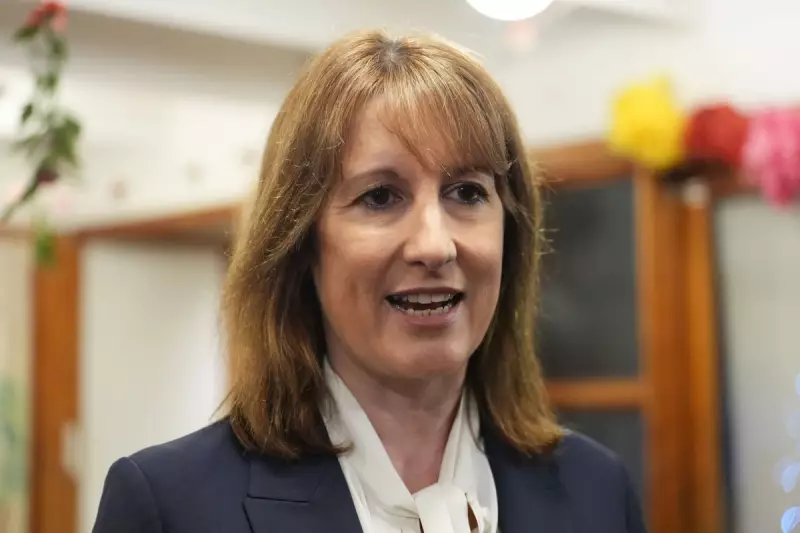
Chancellor Rachel Reeves has sparked controversy by confirming her commitment to a prolonged freeze on key tax thresholds, a policy that new analysis suggests will disproportionately impact working people while shielding pensioners and benefit claimants.
The Mechanics of the Tax Squeeze
In a move projected to raise a substantial £23 billion for the Treasury, the Labour Chancellor has frozen income tax and national insurance thresholds until 2031. This policy, often termed 'fiscal drag', means that as wages rise with inflation, millions of workers are silently pulled into higher tax brackets or see more of their income taxed at their current rate.
A stark study by the Centre for Policy Studies (CPS) lays bare the real-world consequences. It calculates that an employee earning £50,000 a year today will be £505 worse off in real terms by the 2030-31 tax year as a direct result of the threshold freeze.

Winners and Losers in the Fiscal Equation
While workers face a tightening squeeze, the CPS report highlights two groups set to be better off. Thanks to the protected 'triple lock' on state pensions and planned benefit increases, pensioners are forecast to be at least £306 better off. Similarly, a typical claimant on standard universal credit is projected to gain around £290.
The think tank described this dynamic as 'fiscal drag in action', a stealthy method of increasing the tax burden on millions of employed individuals while insulating those receiving the state pension or benefits from the full effect.
Political Defence and Future Implications
Defending the strategy, a Treasury spokesperson stated the measures were 'fair and necessary'. They argued the funds are essential to stabilise public finances, invest in vital services, reduce national debt, and continue tackling the cost-of-living crisis.
Chancellor Reeves, speaking on Friday 2 January 2026, struck a defiant tone, asserting her intention to remain in post for years to come. This long-term outlook suggests the current tax policy framework is set to define her tenure, setting up a clear political dividing line between the interests of workers and retirees.
The analysis underscores a growing tension in fiscal policy: the challenge of raising revenue for public spending while managing the visible impact on the electorate. With the thresholds locked for the remainder of the decade, the silent creep of 'fiscal drag' is poised to become an increasingly prominent feature of the UK's economic landscape.