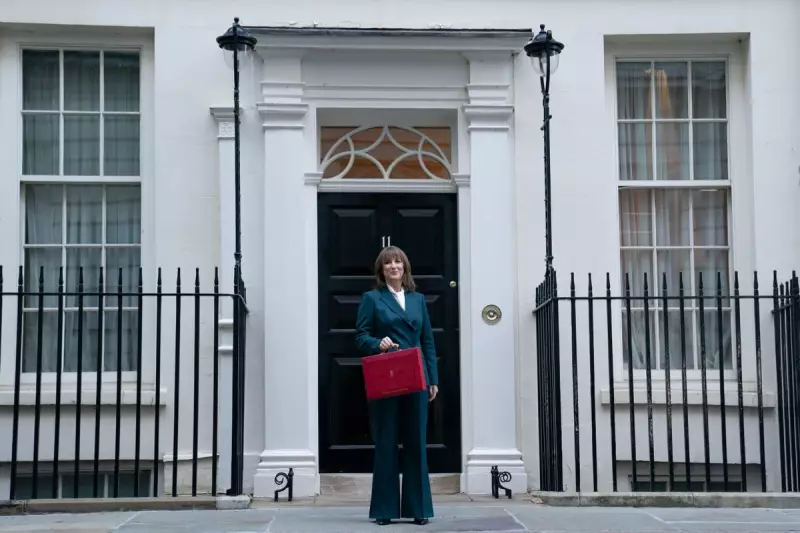
Chancellor Rachel Reeves has been handed a stark pre-Christmas financial update, with official figures revealing government borrowing for November came in higher than economists had predicted.
Borrowing Overshoots Expectations
Data from the Office for National Statistics (ONS) showed public sector net borrowing, excluding public sector banks, reached £11.7 billion last month. While this was £1.9 billion lower than in November 2024 and marked the lowest November figure in four years, it significantly exceeded the £10 billion forecast by most independent economists.
More critically, the outturn was also £3.1 billion above the £8.6 billion forecast made in March by the UK's fiscal watchdog, the Office for Budget Responsibility (OBR). The ONS noted that updated monthly forecasts from the OBR, following the late November Budget, will not be available until mid-January.

Year-to-Date Picture and Contributing Factors
The broader fiscal picture for the financial year so far also looks challenging. Borrowing for the first eight months of the fiscal year stood at £132.3 billion. This is £10 billion more than the same period last year and a substantial £16.8 billion above the OBR's March forecast.
This upward revision was partly driven by an additional £1.8 billion in spending on winter fuel payments. The government reversed an earlier decision to restrict the payments, opting instead to provide them to all pensioners except those earning above £35,000 annually.
Elliott Jordan-Doak, senior UK economist at Pantheon Macroeconomics, stated the figures offered "very little Christmas cheer for the Chancellor." He warned that Ms. Reeves's "fiscal plans rest on shaky foundations," pointing to Britain's persistently weak public finances.
Underlying Details and Mounting Debt
The November figure was somewhat tempered by a fall in debt interest payments, which decreased by £200 million year-on-year to £3.4 billion, the lowest November level for six years. Tax receipts were also healthier, boosted by April's increase in National Insurance Contributions (NICs), which helped lift compulsory social contributions by £3 billion to £17 billion for the month.
However, the overall debt burden continues to climb. Public sector net debt, including the Bank of England, reached £2.93 trillion at the end of November. This equates to approximately 95.6% of GDP, 0.3 percentage points higher than a year ago, maintaining levels last seen in the early 1960s.
Shadow chancellor Mel Stride seized on the data, noting that borrowing for the year to date was "the highest on record outside of the pandemic," criticising Labour's Budget for "reckless spending." In response, Chief Secretary to the Treasury James Murray emphasised that high debt interest payments—£1 in every £10 of spending—underscore the necessity of reducing borrowing, a key aim of the recent Budget.
Martin Beck at WPI Strategy concluded that "confidence remains the missing ingredient" for the UK economy, suggesting that a credible growth strategy may be as vital as specific tax and spending plans for repairing the public finances.