

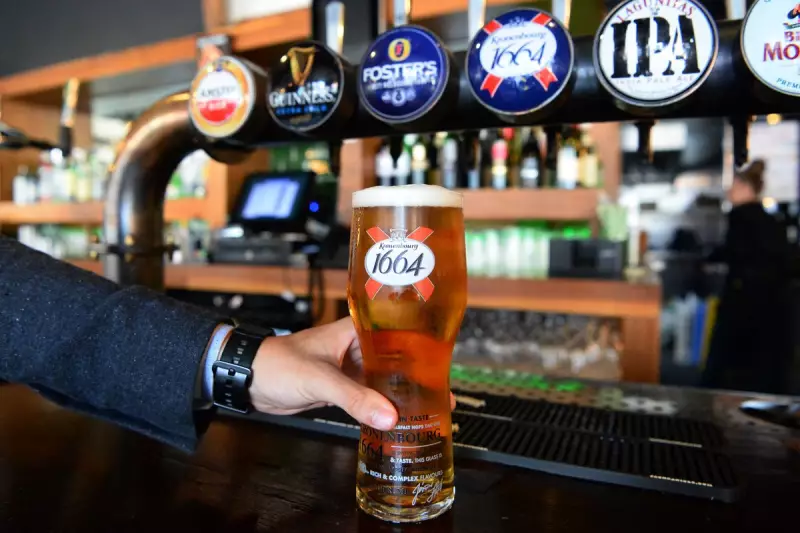
Official statistics have confirmed a substantial drop in the number of pubs and bars across the United Kingdom during the period of Conservative-led governments from 2010 to 2024. The figures validate a recent political claim made in the House of Commons.
The Prime Minister's Claim and the Data Behind It
During Prime Minister's Questions on 14 January 2026, Prime Minister Sir Keir Starmer stated that 7,000 pubs "were closed under the Tories". An examination of Office for National Statistics (ONS) data shows this figure to be broadly accurate, though the reality of the sector's change is more nuanced.
The ONS collects annual data on the number of public houses and bars registered with HM Revenue and Customs for VAT or PAYE purposes. This is not a direct measure of closures, but of the net change in active businesses. For instance, if three pubs shut down but two new ones open, the net reduction is one.

A Steady Decline Over 14 Years
The data reveals a clear downward trend. In March 2010, two months before David Cameron became Prime Minister following the Conservative general election victory, there were 44,680 public houses and bars registered in the UK.
By March 2024, three months before Sir Keir Starmer entered Downing Street, that number had fallen to 37,875. This represents a net loss of 6,805 establishments over the fourteen-year period.
Understanding the Numbers: Net Loss vs. Total Closures
It is crucial to distinguish between the net reduction and the total number of closures. The ONS figure of a 6,805 decline is a net figure. The actual number of individual pub closures is likely to be significantly higher, as the total accounts for new openings and reopenings that occurred during the same timeframe.
While the data solidly supports the assertion of a major contraction in the UK's pub sector under Conservative administrations, it does not specify the causes, which could include economic pressures, changing social habits, and operational costs.
The figures provide a stark numerical snapshot of the challenges faced by a cornerstone of British community life, confirming a significant contraction in the industry's footprint during the political era in question.






