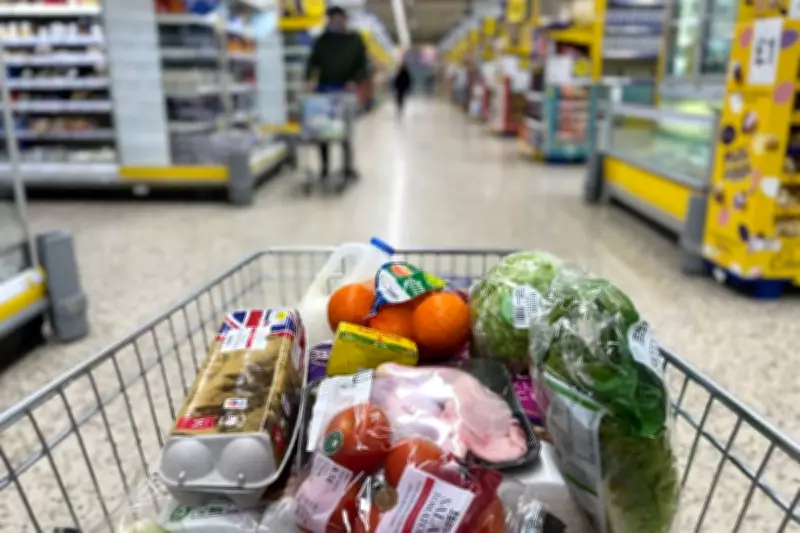
Shop price inflation in the United Kingdom experienced a notable uptick in March, rising to 1.2 per cent from 1.1 per cent in February, according to the latest data released by the British Retail Consortium (BRC) and NIQ. This increase is primarily attributed to escalating costs stemming from the ongoing conflict in the Middle East, which is now significantly disrupting global supply chains and affecting retail operations across the UK.
Impact of Middle East Conflict on Supply Chains
The BRC has highlighted that the Middle East crisis is creating substantial pressures on supply chains, leading to higher import costs and logistical challenges. These factors are directly contributing to the rise in shop prices, as retailers grapple with increased expenses for transportation and raw materials. The organisation warned that these supply chain issues are likely to persist, potentially driving inflation even higher in the coming months.
Food and Non-Food Inflation Trends
Despite the overall increase in shop price inflation, food inflation showed a slight easing, dropping from 3.5 per cent to 3.4 per cent. This minor decline was largely driven by falling dairy prices, which provided some relief to consumers. However, the broader food sector remains under pressure due to ongoing supply chain disruptions and geopolitical tensions.

In contrast, non-food inflation climbed to 0.1 per cent, reversing a previous decline. This rise occurred even as retailers continued to offer promotions and discounts on a wide range of goods, indicating that underlying cost pressures are outweighing efforts to maintain lower prices. The BRC noted that this trend reflects the complex interplay between consumer demand and external economic factors.
Government and Policy Implications
The BRC has urged the UK government to consider implementing policies aimed at mitigating price increases for consumers. With inflation expected to rise further due to ongoing supply chain pressures, there is a growing call for strategic interventions to support both retailers and households. This includes potential measures to stabilise import costs and enhance supply chain resilience in the face of global uncertainties.
Future Outlook and Economic Warnings
Looking ahead, the BRC has described the current situation as one where "storm clouds loom" over the retail sector, emphasising the need for vigilance and proactive measures. The organisation's warnings align with broader economic concerns about inflation trends, particularly as geopolitical conflicts continue to impact global markets. Consumers may face further price hikes if supply chain issues are not addressed promptly, highlighting the importance of coordinated efforts between industry and policymakers.