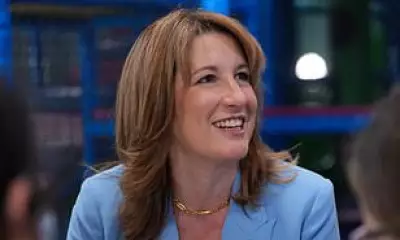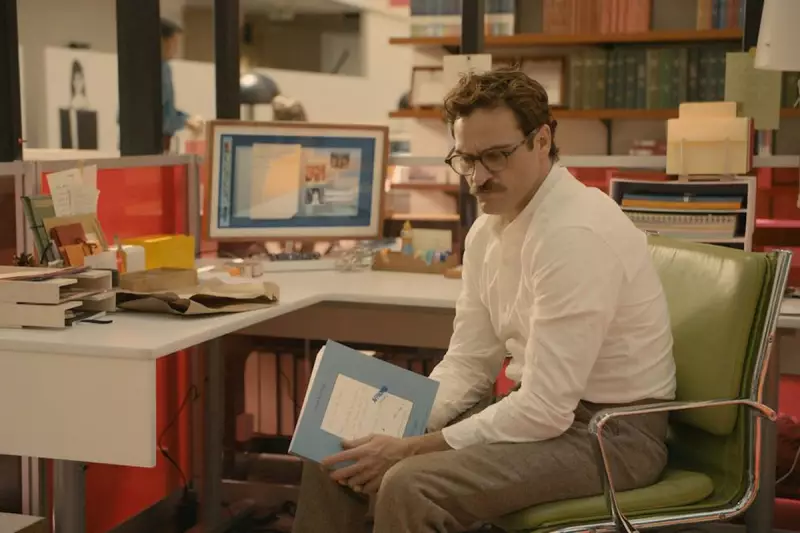
Imagine sitting down for a crucial job interview, your stomach fluttering with nerves, only to find your interviewer is a perpetually smiling, ethnically ambiguous avatar named 'Carl'. This was the surreal reality for journalist Helen Coffey in January 2026, as she trialled a new conversational AI interview tool designed to filter candidates.
The Rise of the Robot Recruiter
This scenario is far from science fiction. The use of artificial intelligence in UK recruitment has tripled in the past year alone. According to recent data, three in ten UK employers are now implementing AI in their hiring processes, with a significant 43% of large companies using AI to conduct interviews. The software Coffey experienced, created by HR-tech firm TestGorilla, is used by close to 800 organisations.
The interview for a fictional content marketing strategist role revealed the stark differences between human and machine interaction. "I realised just how much I've always relied on my people skills to carry me through interviews," Coffey reflected. The ability to use humour, read body language, and create a rapport—key tools for any 'personality hire'—were utterly lost on the algorithm-driven avatar. His fixed half-smile and slightly shaking head left her feeling "flat and cold," unable to generate the spark that often wins over a human interviewer.

The 'AI Doom Loop' and a Crisis of Trust
This shift is part of a broader, self-perpetuating cycle dubbed the 'AI Doom Loop' by Daniel Chait, CEO of recruiting software company Greenhouse. Candidates are increasingly using AI to mass-apply for jobs, while recruiters use AI to mass-reject them. Since the launch of ChatGPT, job applications have surged by 239%, with the average opening now attracting 242 applications. Consequently, the number of applications making it to the hire stage has plummeted by 75%.
This mechanisation has eroded trust. Greenhouse research shows 40% of job hunters report decreased trust in hiring processes, with 39% directly blaming AI. Fears of bias are also prevalent, highlighted by a landmark discrimination lawsuit against HR software company Workday. The suit alleges its AI tools systematically screen out applicants over 40, from racial minorities, and those with disabilities.
On the other side, 72% of hiring managers are more concerned about fraud. A third of candidates admit to using AI to alter their appearance in interviews, while 30% of managers have caught candidates reading AI-generated answers. Some have even encountered deepfakes.
A Human Future in an Automated Process?
Despite the challenges, proponents argue AI can reduce human bias. "If you do detect bias in the AI, you can correct it systematically, as opposed to at the individual person level, one by one," Chait points out. Automated assessments are scalable, can work across languages and time zones, and provide consistent measurement.
However, the core dilemma remains. As Chait cautions, candidates are "full, three-dimensional human being[s]", not just algorithms and credentials. The ultimate risk is a future where AI interviewers primarily interact with AI-crafted candidates, completely bypassing human connection. Chait predicts this will necessitate robust identity verification in hiring to ensure the person interviewed is the person who arrives on day one.
For now, job seekers are advised to clarify each company's rules on using AI in applications and interviews. As for Helen Coffey, she scored in the 75th percentile with her made-up campaign for dachshund clothing—proving that even in a robot's world, a little creativity can still register, for better or worse.