Small business owners have raised their prices three times or more in the last five years, with a quarter set to increase them again before the end of summer. Research of 500 business owners revealed that supplier costs and energy bills are the most common reasons for passing costs on to customers.
Rising Costs Impact Small Businesses
Nearly half of business owners also factored in staff wages before increasing prices. Over the past 12 months, outgoings have risen by nearly 17% on average, while monthly energy costs have increased by an average of 23% over the previous five years. Now, 82% are bracing for further increases throughout 2026.
Last Resort Measures
According to the research commissioned by Smart Energy GB, 88% of business owners view raising prices as a last resort. Despite this, 86% have made changes behind the scenes to avoid passing costs on to customers. Many have cut back on non-essential spending (31%), absorbed costs by reducing profit margins (30%), and reduced their own salaries (28%). A quarter have worked to cut energy usage, while 23% have negotiated with suppliers for better deals.

Smart Meters as a Solution
Victoria Bacon, a director at Smart Energy GB, said: “We can see many small business owners are doing everything they can to manage rising running costs, while limiting the impact on their customers. When it comes to managing bills, a smart meter can help business owners track their energy use and identify where they might be able to save money on energy costs. It can be a helpful tool for small business owners managing cashflow and budgets, and it’s quick and easy to get a smart meter installed.”
Consumer Concerns
While 34% believe customers have been understanding when prices rise, 81% remain worried about increasing them again. Of these, 38% acknowledge customers are already struggling with the cost of living, and 36% fear their customer base may look elsewhere for cheaper alternatives.
Consumer Spending Limits
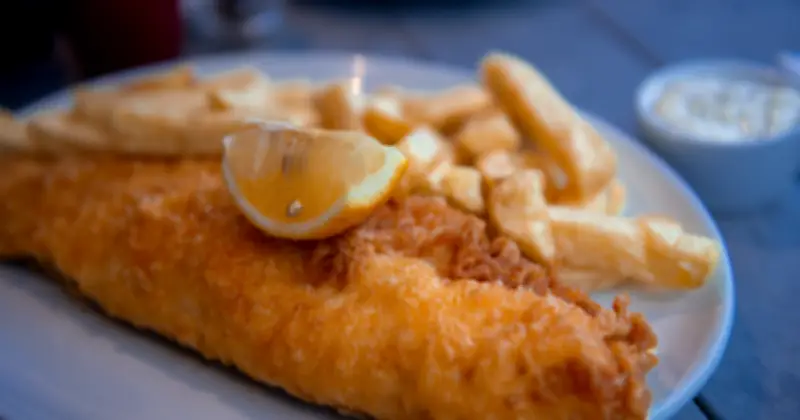
A separate survey of 2,000 adults explored how much Brits are willing to spend on everyday items. On average, drinkers will pay £5.45 for a pint of beer and £6.23 for a glass of wine. Consumers cap spend at £3.99 for a takeaway coffee and £4.79 for a sandwich from a local café or bakery. For meals, they are willing to spend around £11 on a full English breakfast or fish and chips, but over £15 for a Sunday roast.
More than half (54%) have cut back on discretionary spending, with eating out (55%), new clothes (51%), and takeaways (49%) being the most common areas reduced. Despite this, 84% believe it is important to support local independent businesses. Six in 10 (61%) want to support the local economy, while 56% aim to protect jobs, and 53% want to help prevent shops on high streets from closing.

Average Amounts Brits Are Willing to Pay
- Pint of beer - £5.45
- Glass of wine - £6.23
- Takeaway coffee - £3.99
- Takeaway sandwich from café/bakery - £4.79
- Pastry from café/bakery - £3.73
- Full English breakfast - £11.01
- Portion of fish and chips - £10.97
- Sunday roast - £15.14
- Takeaway pizza - £12.47
- Burger and fries from a fast-food restaurant - £10.23
- Manicure - £31.37
- Pedicure - £31.48
- Spray tan - £30.34
- Haircut - £31.24