In a significant move to address mounting supply chain concerns, the UK Government has authorised a substantial grant of up to £100 million to reopen a mothballed carbon dioxide plant on Teesside. This decision comes amid escalating fears of shortages triggered by the ongoing conflict involving Iran, which has disrupted critical energy and industrial supplies.
Government Intervention to Secure CO2 Production
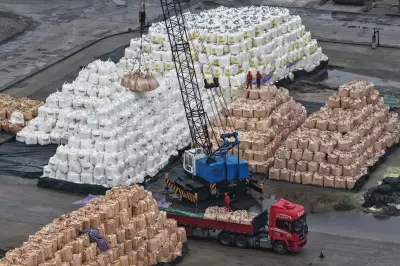
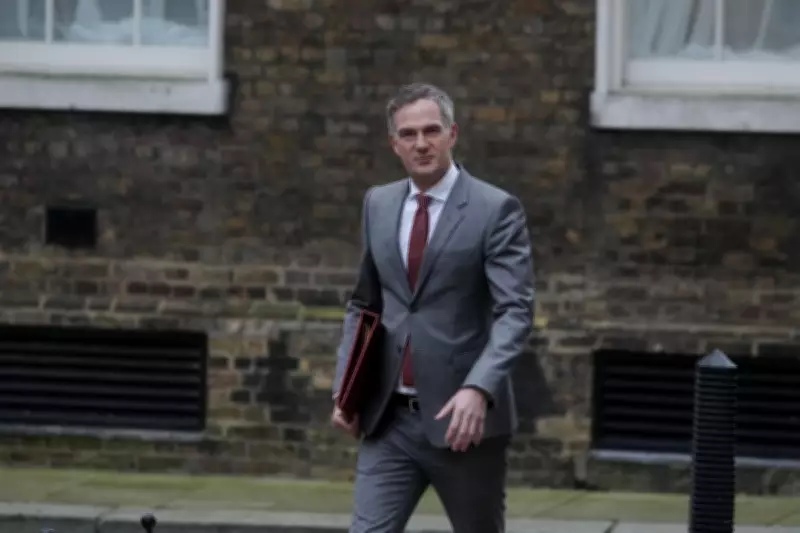
Business and Trade Secretary Peter Kyle has formally approved the grant, which will facilitate the reopening of the Ensus plant located on Teesside. According to reports from the Financial Times, the funding is designated to restore operations at the facility for an initial period of three months. The plant possesses the crucial capability to produce CO2 as a by-product, a gas that is indispensable across multiple sectors including the beverages industry and nuclear energy operations.
Background of the Plant's Closure
The Ensus plant was originally mothballed last year following a trade agreement between the United Kingdom and the United States that significantly reduced tariffs on bioethanol. Bioethanol served as the primary product of the facility, rendering its continued operation economically unviable under the new trade terms. However, the plant's secondary output of carbon dioxide has now become a strategic asset in light of current geopolitical tensions.

Supply chains for CO2 have been severely strained not only by the Iran conflict but also by soaring energy costs affecting alternative production sources, such as fertiliser manufacturing plants. This dual pressure has created a precarious situation for industries reliant on consistent CO2 supplies.
Broader Concerns Over Energy Security
While the grant for the Ensus plant represents the first major governmental action aimed at mitigating shortages linked to the Iran war, anxieties extend far beyond carbon dioxide alone. Former BP executive Nick Butler issued a stark warning during an interview with Times Radio, suggesting that the United Kingdom could confront shortages of oil and gas within a mere two to three weeks.
"There will be shortages and I think the Government now should be seriously planning how they’re going to handle that and part of that is maximising supply," Butler emphasised. This sentiment was echoed by Shell chief executive Wael Sawan, who delivered a similar cautionary message at a recent industry conference.
Government Reassurances Amid Uncertainty
Despite these alarming predictions, ministers have continued to assert the reliability of petrol supplies. Energy Minister Michael Shanks addressed Members of Parliament on Wednesday, firmly stating that the Government was "absolutely not" preparing for scenarios involving blackouts or petrol rationing. He underscored the UK's "strong and diverse range of supplies" as a buffer against potential disruptions.
Geopolitical Stalemate at the Strait of Hormuz
The central issue underpinning these supply fears remains the duration of Iran's effective blockade of the Strait of Hormuz, a vital maritime chokepoint for global energy shipments. As of Wednesday evening, the strait remained closed, despite claims from Iran's Foreign Minister Abbas Araghchi that it was open to "non-hostile" shipping.
The conflict has intensified, with Washington declaring it would strike Iran "harder" if Tehran refused to acknowledge it had been "defeated militarily." White House spokeswoman Karoline Leavitt maintained that "productive" discussions were ongoing between the United States and Iran. However, Araghchi contradicted this assertion in a message on his Telegram channel, translated from Farsi, insisting there had been "no negotiations or discussions with the American side" and implying that the US had effectively conceded defeat.
"Didn’t they talk about 'unconditional surrender' before? What happened now that they are talking about negotiations and calling for them? I will explain that there are no negotiations, but the fact that they are mobilising their highest officials to negotiate with the Islamic Republic indicates their acceptance of defeat," Araghchi stated.

This geopolitical deadlock continues to cast a long shadow over global energy markets, prompting proactive measures such as the UK's grant to revive CO2 production capabilities and safeguard critical industrial supplies.