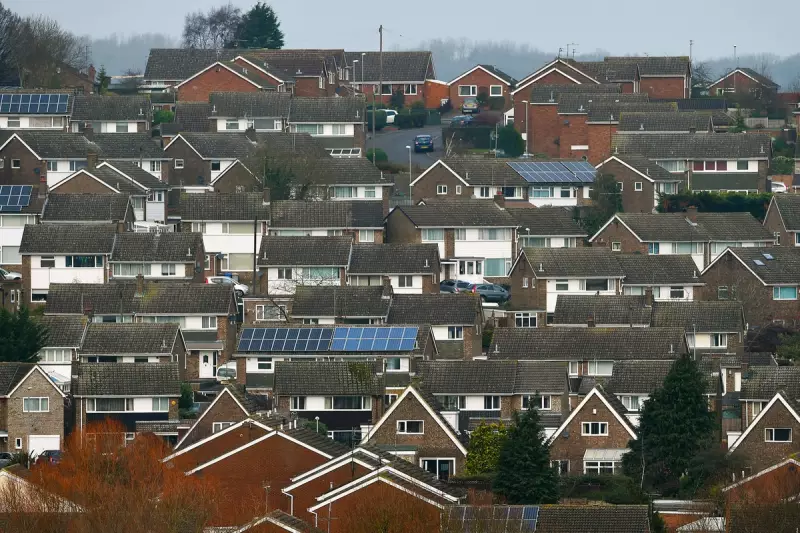
The government's flagship ECO energy efficiency scheme has left tens of thousands of British homeowners in perilous living conditions, with nearly 30,000 properties affected by widespread poor-quality work. Launched in 2022 to provide grants for home improvements such as insulation and heat pumps, the scheme has been branded an 'abject failure' by a cross-party group of MPs following a damning investigation.
Systemic Failures and Defective Installations
A National Audit Office report uncovered that a staggering 98 per cent of external wall insulation installed under the ECO programme was defective. This has resulted in severe structural damage, health issues for residents, and contractors going into administration, leaving homeowners with little recourse for repairs. The Public Accounts Committee has recommended referring the matter to the Serious Fraud Office due to mounting evidence of systemic fraud within the scheme's implementation.
Personal Stories of Distress
Victims like Katie Barrett and Helen Cresswell have shared harrowing accounts of how the botched work has devastated their lives. Barrett reported significant damage to her home, while Cresswell highlighted ongoing health problems exacerbated by the faulty installations. Many homeowners are now facing repair bills running into thousands of pounds, with no immediate solution in sight.

Government Response and New Measures
In response to the crisis, the government has terminated the ECO scheme and announced a new £5 billion warm homes plan. Officials have stated that all non-compliant properties are currently being audited, with repair costs to be covered by the state. Additionally, a new Warm Homes Agency is set to be established to oversee future energy efficiency initiatives and prevent similar failures.
Broader Implications for Energy Policy
This scandal raises serious questions about the oversight of government-backed environmental schemes. The ECO programme was intended to reduce carbon emissions and lower energy bills for households, but its execution has instead created financial hardship and safety risks for thousands. The incident underscores the need for stricter regulations and better contractor vetting in future green energy projects.
As the audit process continues, affected homeowners remain in limbo, awaiting repairs and compensation. The establishment of the Warm Homes Agency is seen as a critical step towards restoring public trust in energy efficiency programmes, but for many, the damage has already been done.