As another winter cold snap approaches, millions of British households face the familiar dilemma of balancing home warmth against soaring energy costs. With prices remaining stubbornly high, finding practical solutions has become more crucial than ever for family budgets across the nation.
The Simple Boiler Hack That Cuts Costs
Energy experts have revealed a remarkably straightforward adjustment that could provide significant relief on heating bills. According to Phil Gilbert, Director of Net Zero Delivery at E.ON Next, households with combi boilers can achieve meaningful savings through one simple temperature change.
"The flow temperature on most boilers is automatically set to 65°C," Gilbert explains, "but if you have a combi boiler, try lowering it to 60°C. You'll still have enough hot water to heat your radiators and have a warm shower, while saving money on your heating bills."

Why This Modest Adjustment Works
This five-degree reduction represents a clever optimisation rather than a sacrifice. Most households won't notice any difference in their home's warmth or shower temperature, yet the energy savings accumulate substantially over the heating season. The adjustment works because modern combi boilers remain perfectly effective at slightly lower temperatures, while consuming noticeably less gas or electricity.
Gilbert emphasises that this tweak is particularly timely as Storm Chandra brings colder conditions to much of the UK, prompting increased heating usage during what energy providers term the "peak consumption period."
Complementary Strategies for Maximum Savings
Beyond the boiler adjustment, energy specialists recommend several additional measures that work synergistically to reduce household expenditure:
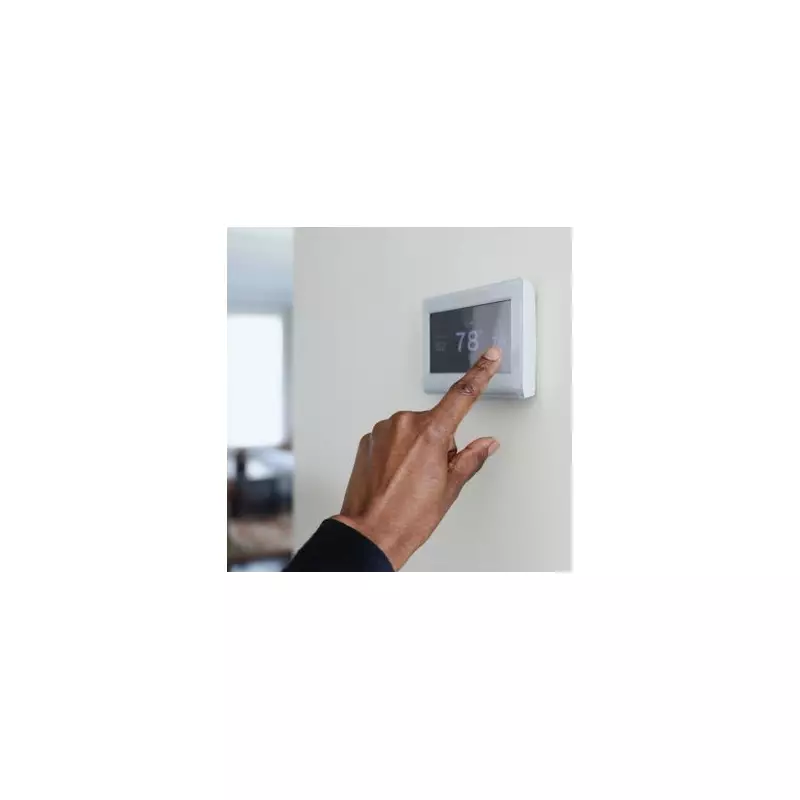
- Thermostat Optimisation: Setting your home's thermostat between 18°C and 21°C represents the sweet spot for comfort and economy. Turning it down by just one degree could save approximately 5% on annual energy bills – around £90 for a typical household reducing from 22°C to 21°C.
- Draught-Proofing: Ensuring windows, doors and other potential leak points are properly sealed prevents valuable warmth from escaping, reducing the workload on your heating system.
- Radiator Enhancement: Installing reflector panels behind radiators redirects heat back into rooms rather than allowing it to warm external walls, improving heating efficiency substantially.
- Appliance Efficiency: Older household appliances often consume significantly more energy than modern equivalents. Assessing and potentially upgrading key devices can yield long-term savings.
Monitoring and Awareness Tools
Most energy providers now offer smart meters that enable real-time tracking of consumption patterns. These devices help households identify exactly what's driving their costs higher, allowing for targeted adjustments rather than guesswork.
"During the darker, colder months, energy use tends to increase, which can add extra financial pressure," notes Gilbert, "but even small changes around the home can make a big difference when implemented consistently."
The Broader Context of Energy Efficiency
These practical tips arrive amid ongoing concerns about both household budgets and environmental impact. Simple behavioural adjustments and minor technical tweaks represent accessible starting points for families seeking to reduce their carbon footprint while managing expenses.
The combination of boiler temperature adjustment, thermostat management, and basic insulation measures can collectively transform a home's energy profile without compromising comfort during Britain's challenging winter months.