AA Calls for 10% Speed Reduction to Combat Soaring Fuel Prices
Motorists across the United Kingdom are being urged to reduce their driving speed by 10 per cent in response to the escalating Iran oil crisis, which has triggered a sharp surge in pump prices. The AA has emphasised that this adjustment "improves fuel efficiency" while still allowing drivers to "keep up with the flow of traffic".
In addition to moderating speed, drivers have been advised to anticipate road conditions such as traffic lights, roundabouts, and changing traffic flow to avoid "continuous harsh braking". This proactive driving style is promoted not only for economic savings but also for enhanced road safety.
Substantial Savings and Practical Advice
AA president Edmund King stated: "It is well worth drivers adapting their driving style and speed both to save money and enhance safety." He highlighted that diesel drivers could save approximately £10 per tank by modifying their driving habits.

Mr King also recommended the use of fuel price comparison apps to locate the most affordable petrol or diesel options for journeys. "Often there are price discrepancies up to 19p per litre within short distances," he cautioned, underscoring the potential for significant cost reductions through informed purchasing.
Regulatory Measures and Price Tracking
Since February 2, all UK forecourts have been mandated to report price changes to the government's Fuel Finder database within thirty minutes of any adjustment. This data is utilised by various third-party fuel-price applications and websites, providing motorists with real-time information to make economical choices.
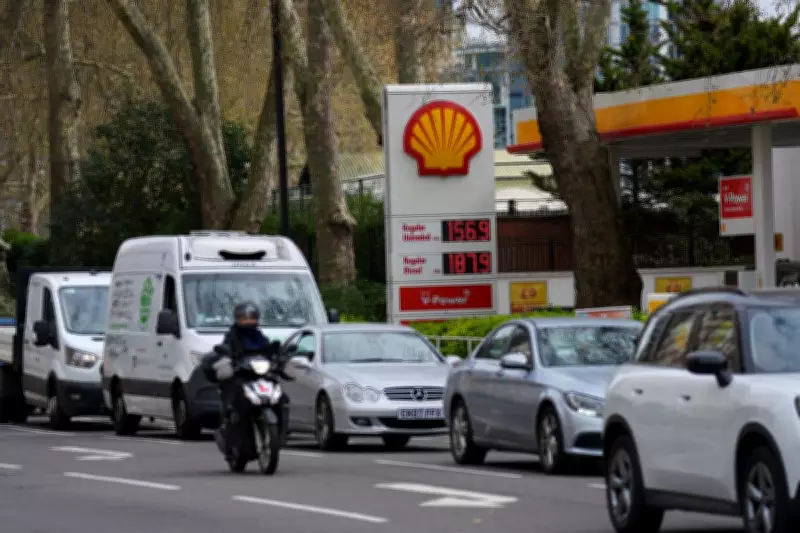
According to motoring services company the RAC, the average price of a litre of diesel at UK forecourts on Wednesday reached 184.2p. This marks a substantial 29 per cent increase from 142.4p recorded when the conflict commenced on February 28.
The average cost of petrol currently stands at 153.7p per litre, representing a 16% rise from 132.8p at the war's onset.
Impact of Iran Conflict on Oil Markets
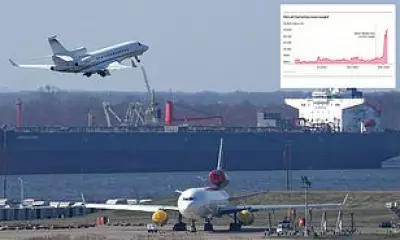
Oil prices, which exert a significant influence on wholesale fuel costs, have soared in response to Iran's stranglehold on tankers navigating the Strait of Hormuz. This geopolitical tension has directly contributed to the escalating expenses faced by consumers at the pump.
Motoring research charity the RAC Foundation estimated that the rises in pump prices have resulted in motorists paying an additional £583 million for petrol and diesel collectively. This total comprises £439 million for diesel and £144 million for petrol.
The disparity between the two fuels is attributed to a combination of the record price gap and the higher volume of diesel sold. These calculations are based on average daily pump price increases and last year's fuel consumption rates, illustrating the profound financial impact on UK drivers.