Long-standing climate activist Bill McKibben has issued a stark political warning, predicting that soaring electricity prices and the Trump administration's opposition to renewable energy will damage the Republican Party's prospects in the upcoming 2026 elections.
Solar Hope Amid Regulatory Rollbacks
McKibben's warning comes against a backdrop of significant environmental policy shifts. The Trump administration has rolled back numerous climate regulations and, last month, froze five major offshore wind projects, though courts have since allowed three to proceed. Furthermore, key federal clean energy tax incentives, including those for home solar panel installation, expired on 31 December.
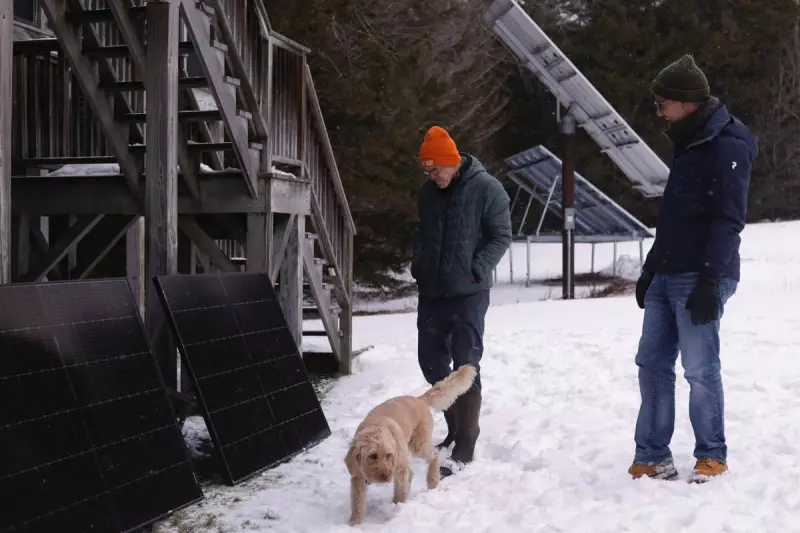
Despite these challenges and spiking global temperatures, McKibben finds optimism in solar technology. He recently installed his fourth set of panels on his Vermont home, a system he describes as part of his "museum of solar technology." The new plug-in panels from California's Bright Saver, which can be easily mounted on balconies, were operational in about ten minutes.

"I think you’re starting to see that have a big political impact in the U.S. right now," McKibben told The Associated Press. "My prediction would be that electric prices are going to be to the 2026 election what egg prices were to the 2024 election." Analysts note that everyday inflation concerns significantly hurt Democrats in the last presidential race.
The Rising Cost of Power and Political Blame
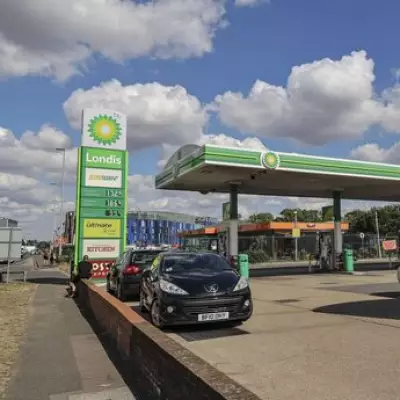
Data from the U.S. Energy Information Administration reveals a sharp increase in energy costs. When President Trump took office in January 2025, the national average electricity price stood at 15.94 cents per kilowatt-hour. By September, it had risen to 18.07 cents, settling at 17.98 cents in October—a 12.8% increase in just ten months. This surge outpaced the total price growth of the previous two years.
Residents in Maryland, New Jersey, and Maine have been hit particularly hard, with prices rising three times faster than the national average since October 2024. For a typical household using 900 kilowatt-hours monthly, the average bill is now about $18 higher than in January 2025.
Democrats in Congress have squarely blamed the Trump administration. Illinois Representative Sean Casten accused the President of limiting access to cheap energy to benefit the fossil fuel industry, resulting in skyrocketing bills. Hawaii Senator Brian Schatz stated, "Donald Trump is the first president to intentionally raise the price of something that we all need."
Global Trends and a Call for Simplicity
McKibben contrasts the U.S. situation with global trends and international examples. A United Nations report confirms that wind and solar power prices are plummeting worldwide, now often cheaper than fossil fuels. China leads in renewable technology, with one of its electric car companies surpassing Tesla in annual sales.
"We can’t economically compete in a world where China gets a lot of cheap energy and we have to pay for really expensive energy," McKibben argued.
He also criticised the complexity of the U.S. solar installation process, noting that Americans pay three to four times more than Australians or Europeans due to an "absurdly overcomplicated permitting system." He highlighted an Australian government programme that provides three hours of free electricity daily thanks to extensive solar infrastructure, a concept he believes would resonate with every American.
The White House, for its part, maintains that reliable and affordable electricity is a top priority. Spokesperson Taylor Rogers commented as the administration and a bipartisan group of governors pressured the nation's largest grid operator to boost power supplies in the mid-Atlantic and curb further bill increases.
As McKibben continues sending excess solar power from his Vermont home to the grid, he positions the affordability of clean energy not just as an environmental imperative, but as an urgent economic and political issue set to define the next electoral cycle.