The dramatic and unlawful seizure of Venezuelan leader Nicolás Maduro by US forces over the weekend has thrust the South American nation back into the global spotlight. While the vast oil reserves of Venezuela are the undeniable prize, analysts argue that petroleum alone does not fully explain the timing and brazen nature of the operation. The intervention is a complex tapestry woven from threads of energy interests, geopolitical manoeuvring, and domestic US political signalling.
The Oil Prize and Coalescing Agendas
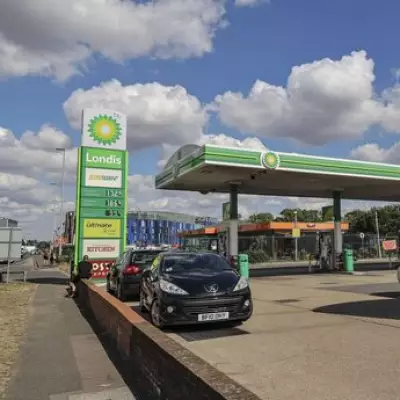
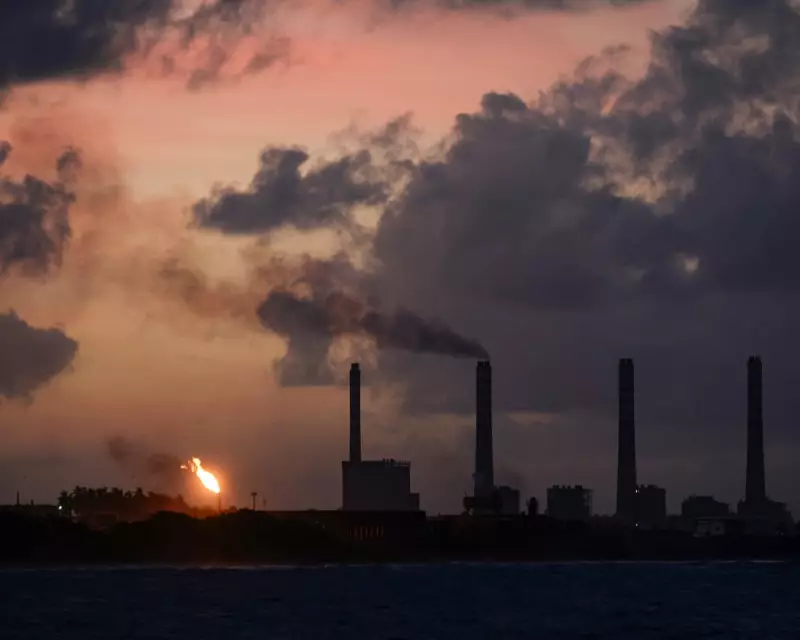
Venezuela sits atop the world's largest proven oil reserves, a fact that has long shaped its destiny. As Maduro himself stated, this resource is the root of the Trump administration's fixation. However, Venezuelan crude is extra-heavy, expensive to extract, and slow to bring to market. It will not provide an immediate solution for US energy needs or refineries that have adapted to its absence in recent years.
Instead, oil acts as the central magnet for a series of other objectives. These include securing future profits for American energy firms, applying modest downward pressure on global oil prices, and strategically weakening China's influence in a region Washington considers its backyard. The move also serves to pressure the Cuban government and sends a potent political message to voters in the crucial US state of Florida. Individually, each gain is relatively small, but collectively they provided enough justification for a high-profile, theatrical, and illegal intervention, even if the direct economic returns are only incremental.

A History of Curse and Blessing
The story of Venezuela is a stark lesson in the paradox of resource wealth. Built on oil rents since the 1920s, the nation experienced booms that overvalued its currency and created a crippling dependence on imports. A political pact forged in the 1960s, which divided oil spoils according to electoral share, exacerbated these flaws. This left the economy in Caracas dangerously exposed when oil prices collapsed in the early 1990s.
That economic shock paved the way for a failed coup in 1992 led by a young military officer, Hugo Chávez. Six years later, Chávez was elected president, promising to use the nation's oil wealth to combat poverty and inequality. His rule, however, set the stage for today's crisis. When oil prices collapsed again in 2014, a year after Chávez's death, the Venezuelan economy collapsed with them. Hyperinflation soared, food and medicine became scarce, and living standards plummeted, leading eight million citizens to flee.
Geopolitical Echoes and an Uncertain Future
The current intervention carries chilling echoes of recent history. In 2002, the Bush administration covertly supported a business-led coup that temporarily ousted Hugo Chávez. That episode proved formative, hardening the regime's ideology and leading it to view political opposition as an existential threat. It entrenched a system where oil revenues were used to build extensive patronage networks and secure military loyalty.
Removing Nicolás Maduro, however, does not dismantle this deeply embedded system. Any successor from outside the Chavismo movement would inherit a state apparatus they do not control, with real power still residing with the network of fixers and generals loyal to the old order. This complexity likely explains why US forces left Maduro's deputy, Delcy Rodríguez, in charge, suggesting no clear plan for what comes next.
While US sanctions have undoubtedly worsened Venezuela's economic slump, simply lifting them will not trigger a recovery. The nation's industrial base has been hollowed out, and its skilled labour force has largely emigrated. Furthermore, if US oil companies claim a larger share of future revenues, the Venezuelan state could find itself even more cash-strapped than before.
The decision to seize Maduro mirrors concerning patterns from other US interventions. As with the 2003 invasion of Iraq, no single rationale—be it oil, drugs, ideology, or presidential ego—was decisive on its own. Yet together, they propelled a high-risk gamble with no apparent endgame, leaving Venezuela's future, and the stability of the region, hanging in the balance.