Appalachia's Energy Crisis: Utility Bills Outstrip Housing Costs in West Virginia
In the heart of Appalachia, a severe energy crisis is unfolding as soaring utility costs surpass rents and mortgages, pushing residents to the brink of financial ruin. This stark reality is captured in a poignant photo essay highlighting the struggles of West Virginians grappling with unaffordable electricity bills.
Trailer Park Displacement and Rising Costs
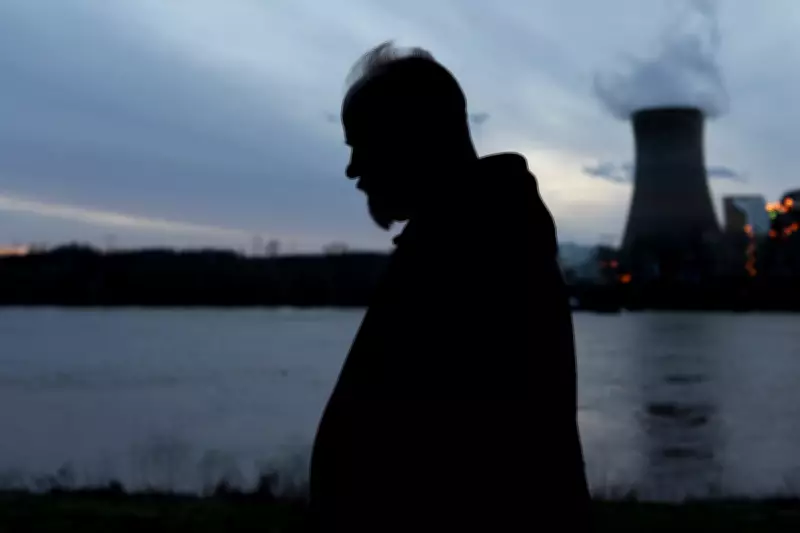
Eric Pinson, who operates a camping trailer park in West Virginia, meticulously organizes stacks of electric bills on his desk, a testament to his growing obsession with the financial strain on his community. Located near a planned data center and overshadowed by a massive coal-powered plant—recently upgraded with millions in funding from the Trump administration—the park was a last refuge for many struggling individuals.
When electricity prices surged last year, Pinson was compelled to raise the all-inclusive rent from $350 to $400 per month. This increase forced at least 16 campers, including long-term residents, to leave the site. "They were just right on the edge. … It’s hard, just watching it happen, and so many of them," Pinson lamented. He noted that out-of-state workers have since moved in, replacing displaced locals as the state attracts major investments like data centers. "It’s all about change," he added, underscoring the shifting economic landscape.

National Trends and Broken Promises
Across West Virginia, thousands of residents are sharing screenshots of exorbitant monthly utility charges they cannot afford, expressing anger over costs that eclipsed rents and mortgages this winter. This crisis hits one of America's most energy-rich yet poorest regions particularly hard.
President Donald Trump, campaigning on a pledge to "make America affordable again," promised to cut electricity bills by at least half within his first 18 months in office. Instead, nationwide electricity prices rose 4.8% in February, while piped natural gas costs increased 10.9% compared to the previous year, according to the Labor Department's Consumer Price Index. These hikes outpaced inflation even before U.S. and Israeli attacks on Iran further ballooned energy costs.
Personal Hardships and Political Disillusionment
Rebecca Michalski, a disabled resident, was forced to take out a loan this winter to cover her electric bill due to high heating expenses. Her February charge of $940.08 exceeded both her fixed income and mortgage payment. Still behind on payments, she fears her lights will be shut off. "It’s breaking me. And there’s nothing that can be done for it, unless the president does something," Michalski said, adding that she no longer supports Trump. "And I don’t see him doing it. He’s had plenty of time."
The White House has stated that lowering electricity prices is a top priority, with the president "aggressively unleashing reliable energy sources like coal and natural gas." However, West Virginia remains an outlier due to its reliance on aging coal-powered plants, which account for about 87% of energy production, resisting cheaper alternatives like natural gas, nuclear, and renewables.
Economic Disparities and Infrastructure Challenges
While monthly bills are higher in other states, West Virginia's salaries have not kept pace. It is the only U.S. state where median inflation-adjusted household income was lower in 2023 than in 1970, according to the Urban Institute. Factors driving up electricity costs include:
- Increased demand and extreme weather events
- Upgrading and maintaining aging infrastructure
- Rising natural gas prices
- Construction of power-intensive data centers for AI and cloud computing
Ratepayers are increasingly concerned about noise pollution, high water consumption, and the impact of data centers on electricity prices. In February, Governor Patrick Morrisey announced plans for a $4 billion data center on nearly 550 acres in Berkeley County, with another expected near residential areas.

Veteran's Struggle and Skyrocketing Rates
Charles "Duke" Hodge, a veteran and retired railroad worker living in a mobile home park along the Ohio River, has witnessed several camping trailers vacated over the past year due to high energy costs. Though slightly better off, he occasionally takes part-time work to cover bills. During summer peaks, he paid up to $140 monthly for electricity, but rates soared after he turned on his heat last year. "Once fall hits, everybody expects it to go up, but not 200 to 300%," Hodge explained. "I went from $120 a month to $275, then it went to $350. Now, the last one was $450." This amount is $60 more than his mortgage payment, highlighting the severe burden on households.
This documentary photo story, curated by AP photo editors, vividly illustrates the human toll of Appalachia's energy crisis, where utility bills have become an insurmountable obstacle for many residents.