Asia Scrambles to Confront Energy Crisis Unleashed by Iran War
Across Asia, governments are taking drastic measures to address a brewing energy supply crisis triggered by the ongoing conflict between the US-Israel coalition and Iran. The strategic Strait of Hormuz, a vital maritime chokepoint through which approximately one-fifth of global oil supplies typically pass, has been effectively shut down for nearly two weeks. This disruption has sent shockwaves through the world's top crude oil importing region, forcing nations from Pakistan to South Korea to implement emergency protocols.
Military Deployment and Fuel Rationing
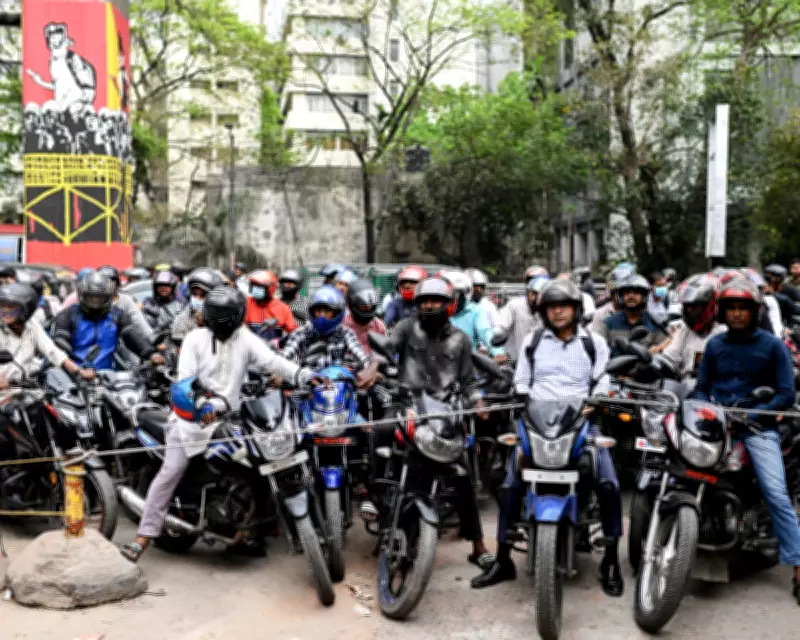
In Bangladesh, the situation has escalated to the point where the military has been deployed to guard major oil depots, while police patrol fuel stations. The country, which imports the vast majority of its fuel, has initiated rationing to curb panic buying. Photographs from Dhaka show motorcyclists waiting patiently behind ropes for their turn at pumps, illustrating the growing desperation. Similarly, Myanmar's junta has introduced vehicle rationing based on license plate numbers and fuel restrictions to conserve dwindling supplies.
Economic Austerity Measures Spread
Pakistan has rolled out severe austerity measures, including closing schools and limiting government office operations to just four days per week. Prime Minister Shehbaz Sharif acknowledged the difficulty of these decisions but emphasized their necessity for economic stabilization. The Philippines has followed suit, implementing a four-day work week for some public officials and mandating a 10% reduction in fuel consumption across government agencies. Vietnam has launched a sweeping remote-work initiative, reminiscent of pandemic-era policies, to reduce travel demand.

Market Volatility and Strategic Reserves
Oil prices have experienced significant volatility, surging to four-year highs before retreating below $100 per barrel, only to rise again. The release of hundreds of millions of barrels from emergency government reserves, coordinated by the International Energy Agency, provided temporary relief. Japan, holding a stockpile of 350 million barrels, is contributing approximately 80 million barrels to this effort. However, experts warn that these measures are merely stopgaps. Yousef Alshammari, President of the London College of Energy Economics, stated, "The longer the strait remains closed, the more likely that these stocks will be exhausted, and prices will continue to rise, leading to major global economic crisis."
Regional Responses and Supply Challenges
Thailand is spending tens of millions daily from its oil fuel fund to subsidize consumers and keep prices artificially low. South Korea has imposed its first domestic fuel price cap in almost three decades, while China and India are leveraging alternative supply routes, with China reportedly receiving Iranian oil and India increasing Russian crude imports under US sanctions waivers. Despite these efforts, the closure of the Strait of Hormuz has severely hampered shipments, with Iran's Revolutionary Guards vowing to block all oil exports from the region if attacks continue.
Uncertain Future and Global Implications
The conflict shows no signs of abating, with several merchant ships struck in and around the Hormuz strait. Asian governments, companies, and consumers remain in the dark about the duration of this crisis. The economic disruption is contagious; the health of Asia's economies affects global trade, from corporate import capacities to consumer spending on holidays. As nations deploy military forces, ration essentials, and slash energy use, the region faces a prolonged period of uncertainty with far-reaching consequences for global stability.