Asia's Energy Crisis Deepens as Iran Conflict Disrupts Vital Oil and Gas Supplies
Asian countries are urgently implementing energy conservation measures and consumer protection strategies as the ongoing war on Iran critically disrupts oil and gas supplies. Attacks on gas fields and oil refineries have rattled global markets, causing significant price increases that are hitting Asia particularly hard due to the region's heavy reliance on imported energy.
Critical Choke Point Under Strain
The Strait of Hormuz, a vital maritime passage for energy shipments, has become severely constrained since Israeli and U.S. attacks on Iran began on February 28, followed by Iranian strikes against Israel and Gulf Arab neighbors. Only approximately 90 vessels—primarily flying Indian, Pakistani, and Chinese flags—have successfully navigated the strait since the conflict escalated.
"The countries that are exposed to that supply disruption are not so much in Europe, or in the Americas, they're actually really in the Asia region," emphasized Michael Williamson of the United Nations Economic and Social Commission for Asia and the Pacific.

Ramnath Iyer of the U.S.-based Institute for Energy Economics and Financial Analysis warned that Asia should prepare for "cascading impacts into all economic activities" as the energy crisis deepens.
Nation-by-Nation Emergency Responses
Japan faces extreme vulnerability, with approximately 93% of its oil imports depending on the disrupted Strait of Hormuz route. Fuel prices have surged dramatically, with regular gasoline reaching about 175 yen ($1.09) per liter on Thursday, up from 144 yen ($0.91) just one month earlier. The government has responded by releasing 15 days of private-sector oil stockpiles followed by a month's worth of supplies from national reserves. Despite having roughly 250 days of reserves at the end of last year, public concern is mounting about potential shortages reminiscent of the 1970s oil shock.
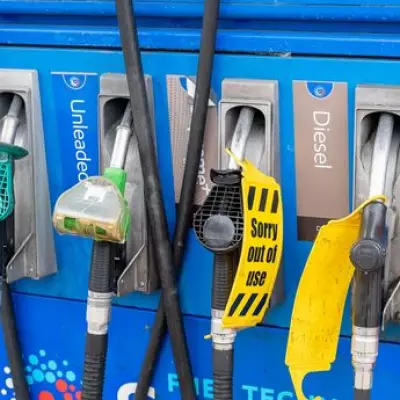
South Korea, which imports about 70% of its oil and 20% of its liquefied natural gas from the Middle East, is experiencing queues at cheaper gas stations as prices rise. The government has lifted national caps on coal-fired power generation, plans to boost nuclear output, and is considering resuming Russian crude oil and naphtha imports to shore up energy supplies.
China remains relatively insulated despite being the largest user of the Strait of Hormuz by volume. Ample strategic reserves and renewable energy sources accounting for approximately 30% of its power mix have helped cushion immediate impacts, though Chinese consumers face higher travel costs as airlines raise international fares.
Vietnam's export-driven industrial sector is grappling with increased production expenses as fuel and freight costs rise. Steel, textiles, and footwear manufacturers face climbing input prices, while authorities warn of potential jet fuel shortages in April that could disrupt tourism and passenger travel.
Thailand, where more than half of electricity generation depends on LNG (around 40% imported from the Middle East), has suspended petroleum exports, ramped up coal and hydropower generation, and directed government offices to conserve energy as it turns to expensive spot markets for LNG cargoes.
Indonesia has temporarily held back energy price increases, but analysts expect difficult decisions after Eid al-Fitr regarding whether to continue costly consumer subsidies or risk inflation by scaling them back.
The Philippines has rolled out cash assistance of 5,000 pesos ($83) to approximately 139,000 tricycle taxi drivers in Manila, with plans to expand nationwide to other public transport operators. Government offices have shifted to a four-day work week to reduce energy consumption.
Pakistan has ordered schools to close for two weeks, cut free fuel allocations for government vehicles by 50% for two months, and canceled the Pakistan Day parade in favor of a simple flag-hoisting ceremony to conserve energy.

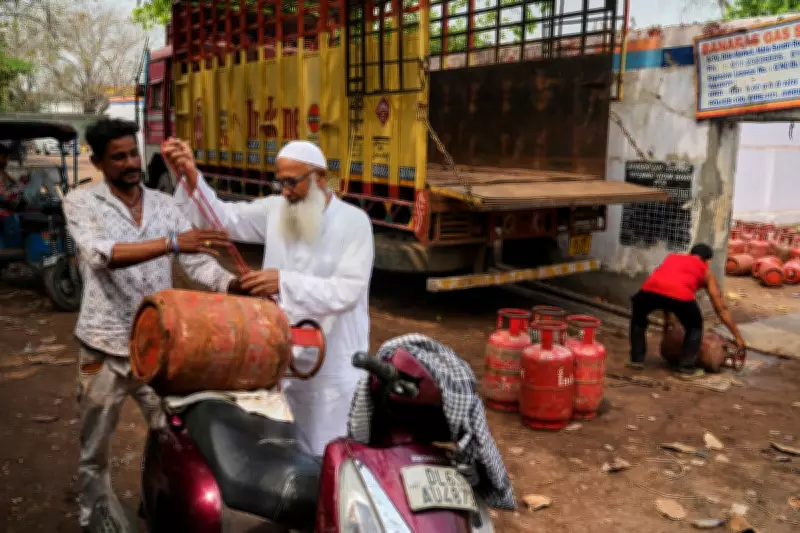
India has increased domestic cooking gas production and prioritized household distribution, tightening supplies for commercial users like hotels and restaurants. The passage of two Indian-flagged LPG vessels through the strait has provided some relief.
Nepal's state-run Nepal Oil Corporation has begun rationing cooking gas by filling cylinders to only half capacity (approximately 7.1 kilograms) while raising gasoline prices by about 10% and urging households to switch to induction cookers.
Regional Economic Implications
The energy crisis is creating widespread economic challenges across Asia, from increased production costs in manufacturing sectors to rising transportation expenses affecting both commercial and consumer activities. Governments are walking a delicate balance between protecting citizens from price shocks and maintaining fiscal stability as subsidy budgets come under pressure.
With the conflict showing no signs of immediate resolution, Asian nations continue to develop contingency plans while exploring alternative energy sources and supply routes to mitigate the ongoing disruption to critical oil and gas flows through the strategically vital Strait of Hormuz.