Bangladesh Confronts Dire Fuel Shortages Amid US-Iran Conflict
Bangladesh, a nation of 175 million people heavily dependent on imported energy, is grappling with severe fuel shortages that threaten to deplete reserves entirely. The crisis, triggered by the ongoing US-Iran war, has led to widespread fuel rationing, university closures, and long queues at petrol stations across the country.
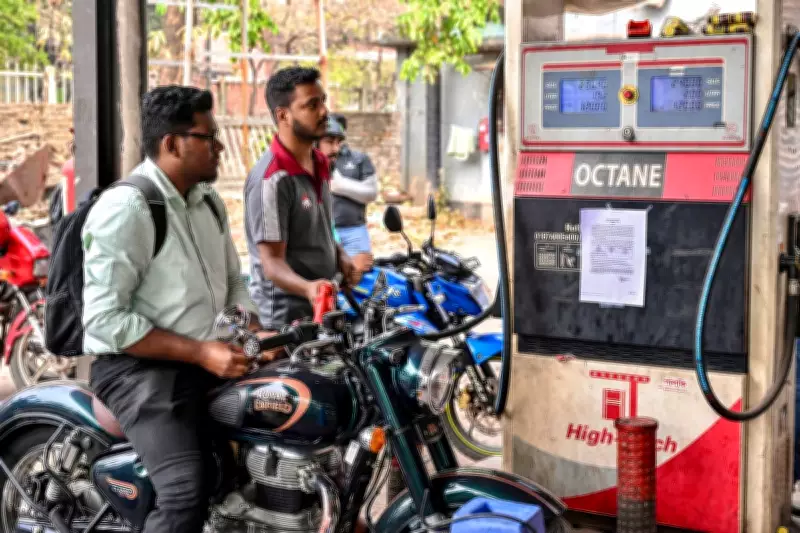
Motorists Endure Hours-Long Queues as Supplies Dwindle
Majid Ali, a 33-year-old private sector employee, exemplifies the daily struggle faced by millions. He commutes 22km daily for work but now spends up to two hours in line to refuel his motorcycle. "This motorcycle is the only convenient way for me to commute, but without the octane, how will I continue?" he told The Independent. "I was lucky, I got the fuel. Dozens of motorists behind me were forced to return as the station ran out." Such scenes have become commonplace, with Dhaka's typically congested streets now seeing fewer vehicles.
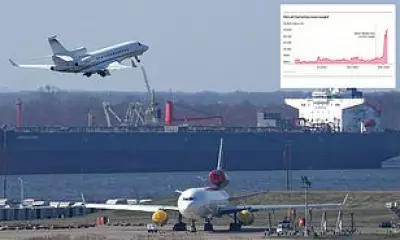
The root cause lies in the Strait of Hormuz, a critical maritime chokepoint linking the Persian Gulf to the Indian Ocean. Since the US and Iran launched hostilities in late February, the strait has been largely closed to vessels, disrupting nearly 90% of Asia's crude oil shipments. Bangladesh, which imports approximately 95% of its energy needs, is particularly vulnerable.

Government Scrambles to Secure Emergency Imports
The newly elected Bangladesh Nationalist Party (BNP) government, led by Tarique Rahman, is urgently seeking alternative fuel sources. Reports indicate that Bangladesh had only about 80,000 tonnes of crude stored at its Eastern Refinery in late March—enough for just over two weeks—with diesel reserves similarly stretched. Authorities are now reaching out to countries including Singapore, Malaysia, Nigeria, Azerbaijan, Kazakhstan, Angola, and Australia to diversify imports.
In a bid to stabilize supplies, Bangladesh has requested a temporary US sanctions waiver to import up to 600,000 metric tonnes of Russian diesel, mirroring an exemption granted to India. Additionally, state-owned Petrobangla recently secured two LNG cargoes at prices nearly 2.5 times higher than early March rates, while the Bangladesh Petroleum Corporation (BPC) is set to receive 60,000 metric tons of diesel from traders, with 90,000 more expected later this month.
Experts Warn of Economic and Social Collapse
Shafiqul Alam, lead energy analyst at the Institute for Energy Economics and Financial Analysis, warns that Bangladesh could be the worst-affected Asian nation due to its reliance on imported fossil fuels. "The situation is dire," an unnamed government official admitted. "The spot buying is drying up our coffers, but the government can't help it. We have reserves for less than 10 days." The Telegraph quoted a Bangladeshi official predicting that if the war persists, "Bangladesh could effectively grind to a halt within weeks."
Despite these warnings, Energy Minister Iqbal Hasan Mahmud Tuku has publicly denied any fuel shortage, claiming supplies have increased compared to last year. However, on-the-ground reports contradict this, with fuel stations in Dhaka and beyond shutting gates after running out of stock, and informal sales of fuel in plastic bottles at inflated prices emerging in rural areas.
Panic Buying and Hoarding Exacerbate Shortages
The crisis has been worsened by panic buying and hoarding, reminiscent of the disruptions following Russia's invasion of Ukraine in 2022. Miznur Rahman Ratan of the Bangladesh Petrol Pump Owners' Association reported assaults on workers by frustrated customers and urged the government to implement protective measures. "Since only a limited quantity is being allotted to each motorist, they are emptying their motorbike tanks and joining the queue to purchase more," he explained.
To conserve energy, the government has:
- Rationed fuel, with temporary easing during Eid al-Fitr.
- Instructed civil servants to switch off lights and reduce air conditioning.
- Closed universities, moving forward holiday breaks.
Data from The Business Standard shows diesel reserves at 115,473 tonnes (about nine days' supply) and octane stocks at 28,152 tonnes (nearly two weeks' worth) as of early March.

Long-Term Solutions and Financial Strain
Bangladesh is seeking over $2.5 billion in external financing to support fuel and LNG imports, but the high costs are straining the economy. Alam notes that the government is importing energy at elevated prices, drastically increasing subsidy burdens. "The power sector is highly subsidised, and then on top of this, now this costly fuse, which will have a severe impact on the fiscal space," he said.
Alam advocates for accelerated conservation measures, such as work-from-home policies for non-essential sectors, and a faster transition to clean energy. "Despite being severely affected by the Russian war in 2022, Bangladesh had no long-term plan to tackle a deeper energy crisis," he remarked, urging the Rahman government to learn from past oversights.
The crisis unfolds against a backdrop of recent political turmoil, following anti-government protests in 2024 that ousted former Prime Minister Sheikh Hasina and led to an interim administration under Nobel laureate Muhammad Yunus until February. As Bangladesh navigates this emergency, the global community watches closely, with the nation's resilience tested by geopolitical conflicts far beyond its borders.