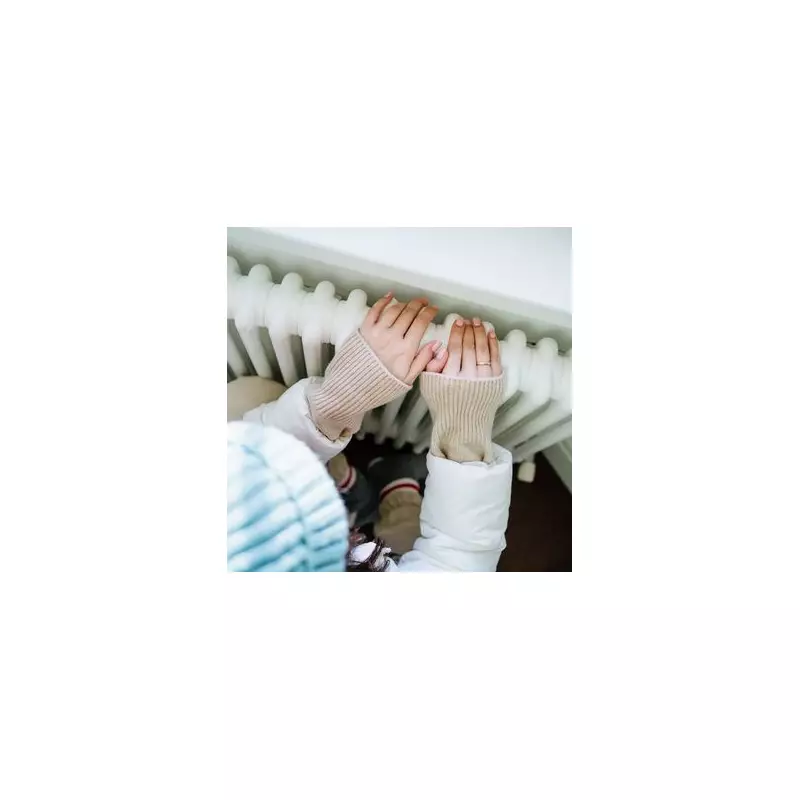
As winter tightens its grip and energy costs remain high, ensuring your home heating works efficiently is more crucial than ever. A common yet often overlooked issue preventing radiators from performing properly is trapped air, which leads to cold patches and wasted energy. Fortunately, heating specialists confirm that a simple, ten-minute maintenance task can solve the problem.
Why Your Radiators Need Bleeding
Over time, air can accumulate inside your central heating system, forming pockets within the radiators. This air acts as a barrier, hindering the circulation of hot water and preventing the radiator from heating up fully. The result is a radiator that is warm at the bottom but cold at the top, or one with distinct cold spots. This not only leaves rooms feeling chilly but also forces your boiler to work harder, driving up your energy consumption and bills.
The experts at BestHeating have emphasised that bleeding radiators is "essential" for them to "heat up fast and properly." Diagnosing the issue is straightforward: if the top of your radiator feels cooler than the bottom or doesn't get hot at all, it's a clear sign trapped air is the culprit.

How to Bleed a Radiator: A Step-by-Step Guide
This quick DIY job requires minimal tools and can be completed by anyone. You will need:
- A radiator key (available from hardware shops or online) or a flathead screwdriver.
- A cloth or old towel.
- A small container to catch any drips.
First, ensure your central heating system is completely switched off and has cooled down. This is a vital safety step. Locate the bleed valve, which is typically a small square or hexagonal nut found at the top of the radiator, usually on one side.
Place your cloth and container directly beneath the valve to catch any escaping water. Insert your radiator key or screwdriver into the valve and slowly turn it anti-clockwise. You will hear a distinct hissing sound as the pressurised air escapes.
Once the hissing stops and a steady trickle of water begins to emerge, immediately turn the key clockwise to tighten the valve and close it. Check for any leaks and tighten a little more if necessary, but be careful not to over-tighten.
Completing the System-Wide Job
For optimal results, you should repeat this process for every radiator in your home. Experts recommend starting with the radiators on the ground floor and then moving upstairs. This ensures any displaced air is systematically pushed out of the entire system.
Once you have bled all radiators, you can turn your heating back on. Check each radiator to confirm they are now heating up evenly from top to bottom. The payoff is immediate: improved heat output, cosier rooms, and a more efficient heating system that doesn't waste money.