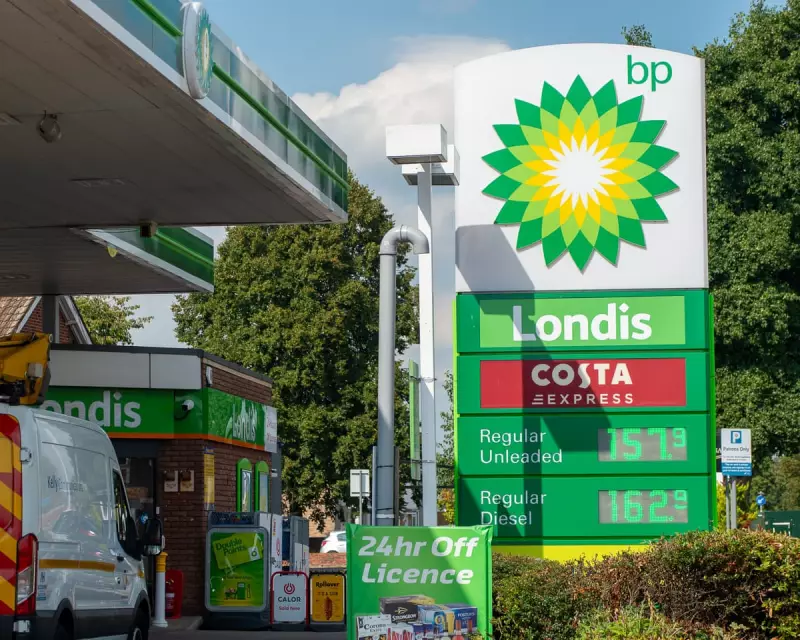
In a significant strategic reversal, the British energy giant BP has revealed plans to write down the value of its green energy ventures by as much as $5 billion (£3.7 billion). This move underscores a clear pivot away from its transition ambitions and back towards its core oil and gas business.
A Strategic Shift Under New Leadership
The substantial impairment charge, announced in a trading update, is primarily linked to BP's gas and low-carbon energy divisions. The company stated that this $4bn to $5bn writedown will not affect its underlying profits, which are due to be reported in February. This strategic recalibration comes under the guidance of new chair Albert Manifold and follows the appointment of Meg O'Neill as chief executive, who will join from Woodside in April.
O'Neill, who will be the first female head of a major oil company, replaces Murray Auchincloss. His tenure of less than two years saw a marked departure from the green agenda set by former CEO Bernard Looney, who was ousted in 2023. BP has been actively scaling back its renewable commitments, including attempts to sell a stake in its solar business, Lightsource, and cancelling hydrogen projects in the UK, Oman, and Australia.

Market Pressures and Trading Weakness
The company's shares fell by up to 1.4% following the update, which also cited a weaker performance from its oil trading arm in the final quarter of the year. This echoes a similar warning from its FTSE 100 rival, Shell. BP highlighted that the average price of Brent crude dropped to $63.73 a barrel in Q4, down from $69.13 in the previous quarter.
Oil prices fell by almost 20% in 2025, their steepest annual decline since the pandemic. Recent geopolitical events, including former US President Donald Trump's actions regarding Venezuela's oil industry, have added to fears of a global supply glut. However, prices saw a brief rally on Wednesday over concerns of potential disruptions to Iranian supply.
Cleaning the Slate for a New Era
Despite the challenges, BP reported progress in strengthening its balance sheet, reducing its net debt to between $22bn and $23bn at the end of the quarter from $26bn three months prior. Analysts suggest the significant writedown and weak trading results set a low baseline for incoming CEO Meg O'Neill.
"Put the writedowns together with a weak showing for its oil trading arm and the impact from weaker oil prices, [it] looks like the final set of quarterly results before Meg O'Neill steps into the hot seat in April will be downbeat," said Dan Coatsworth of AJ Bell. "From O’Neill’s perspective this is no bad thing as it gives her a low base from which to build. However, it does illustrate the scale of the challenge in front of her."
In a related industry development, Shell and Exxon Mobil simultaneously announced the collapse of a deal to sell North Sea gas assets to Viaro Energy, citing changed commercial conditions.